
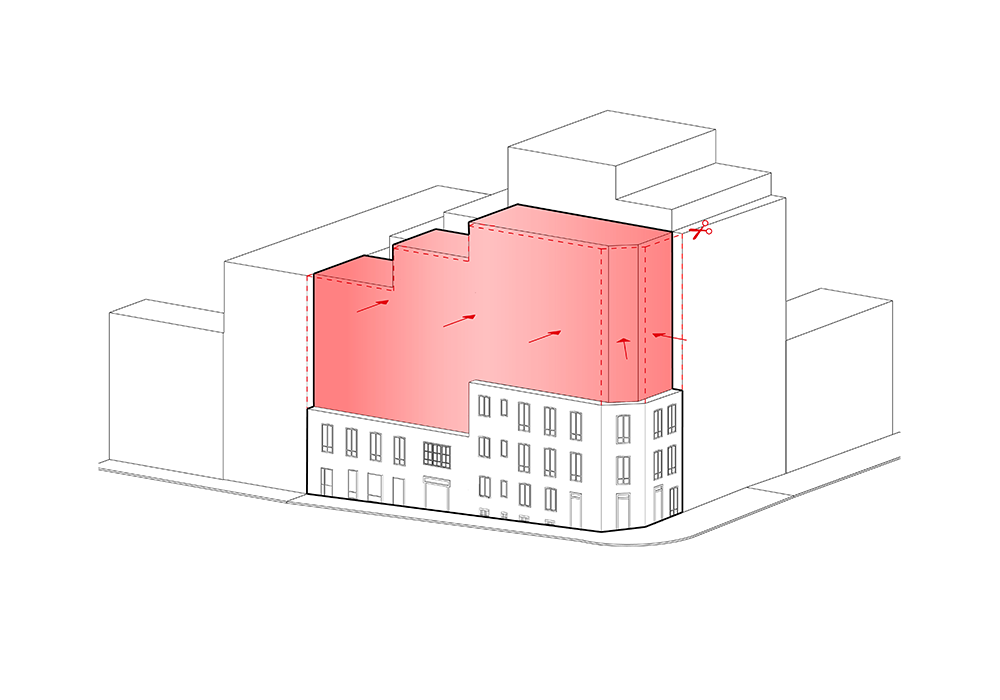
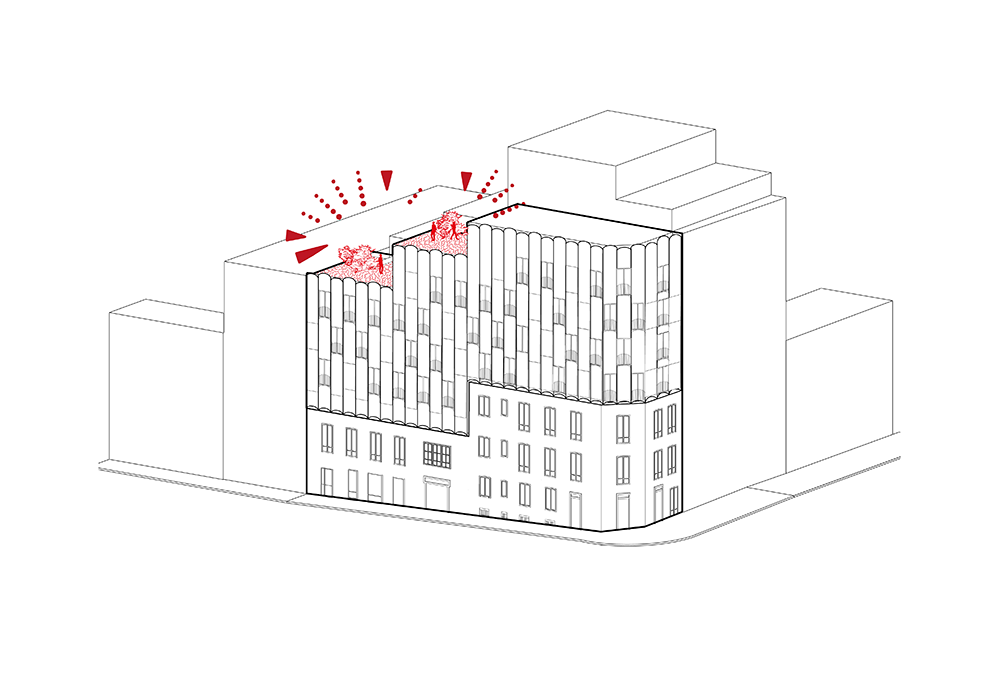
With several of its apartments vacant for years and the ground-floor commercial spaces somewhat degraded, in 2025—113 years after its inauguration—an investment group set its sights on the building, purchasing it entirely with the aim of transforming it completely. In 113 years, the world has changed significantly. Madrid is no longer the same city; it is much larger and more complex. A global capital experiencing a vibrant moment, attracting people from all over the world who want to live here. This creates strong housing demand, driving prices up due to insufficient supply. Investors recognized this as the right moment to acquire and intervene in this plot.
The city cannot, and should not, expand indefinitely. It must also grow vertically, not only horizontally. Density is more sustainable: it makes cities more efficient, reduces distances, and avoids long commutes and inefficient infrastructure networks. Living close together, in contact with one another, enriches daily life, fosters interaction between individuals, and is ultimately more human.
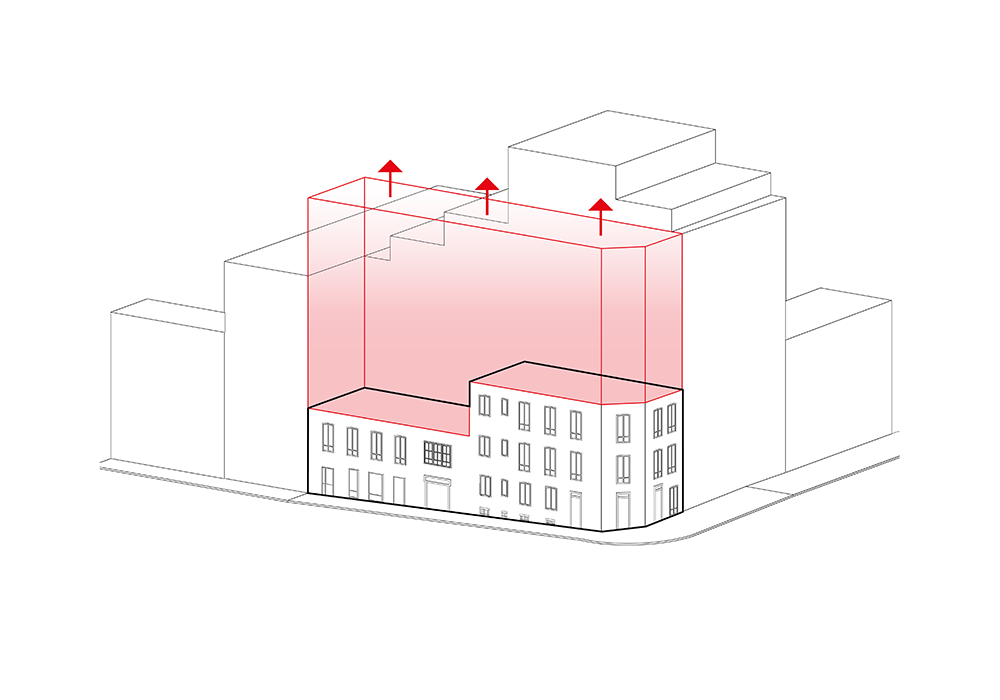
Regulations can also help create better cities. The possibility of increasing density—building higher on a plot located in an area with high demand and need for built space, such as central Madrid—is an excellent strategy. It encourages vertical growth without the need to keep consuming more and more land outward.
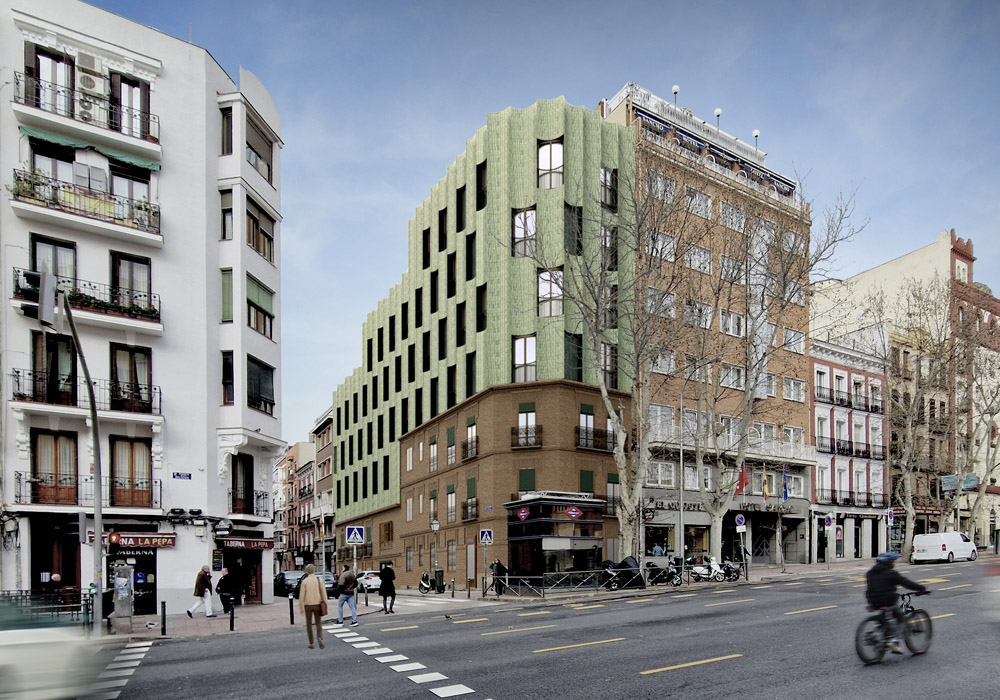
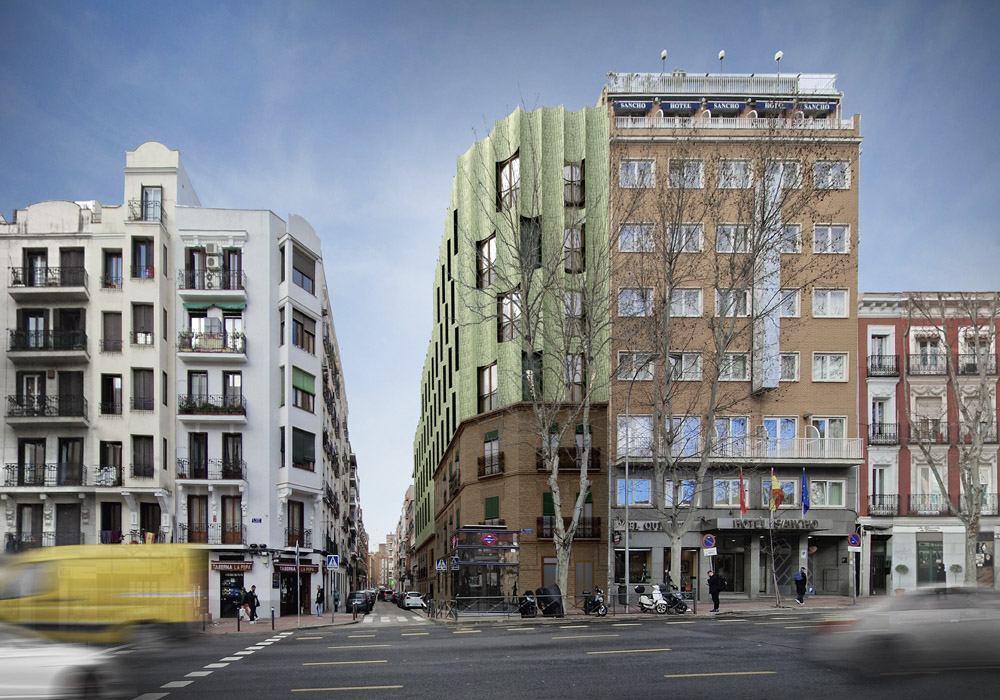
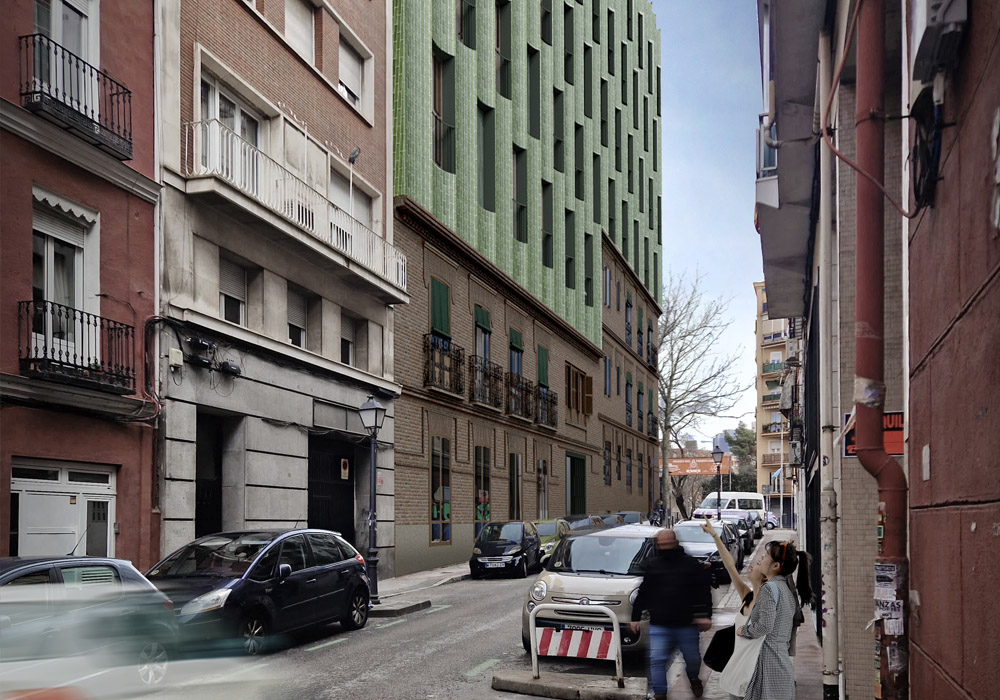
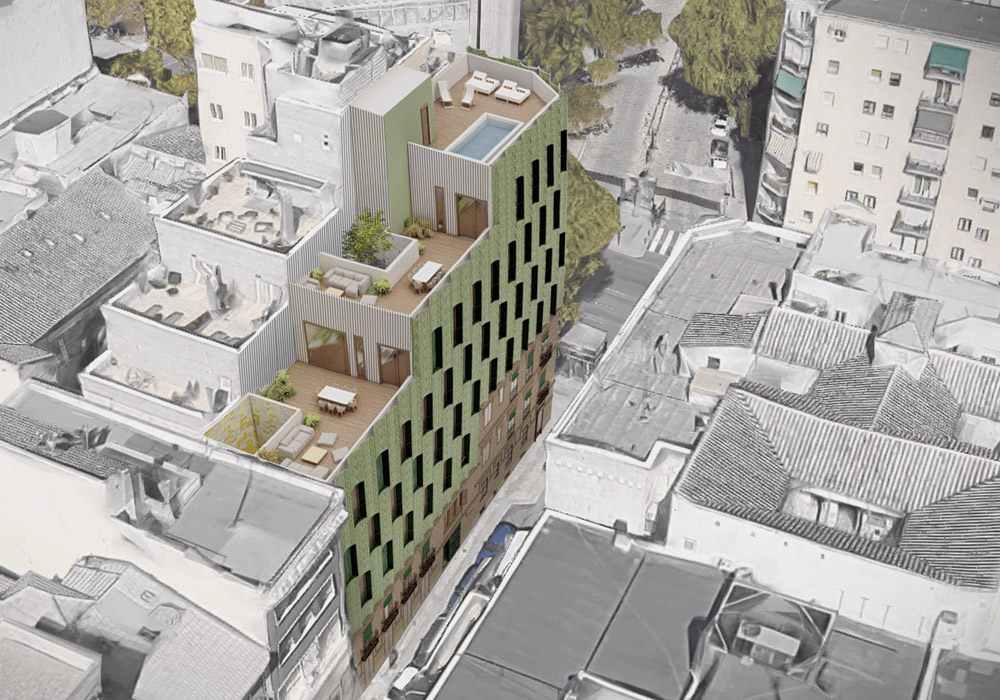
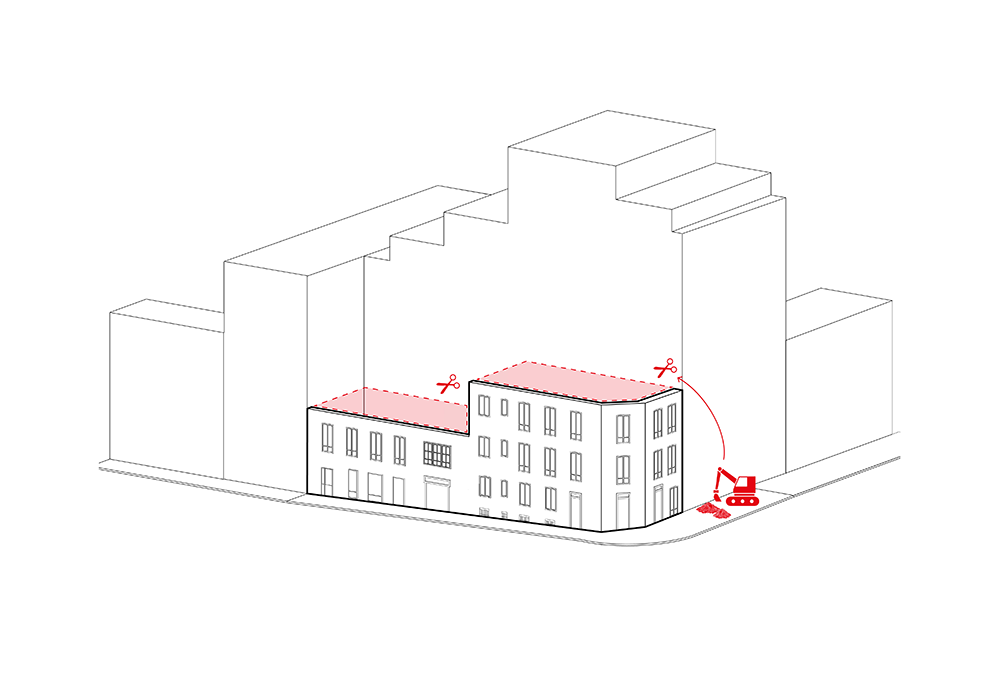
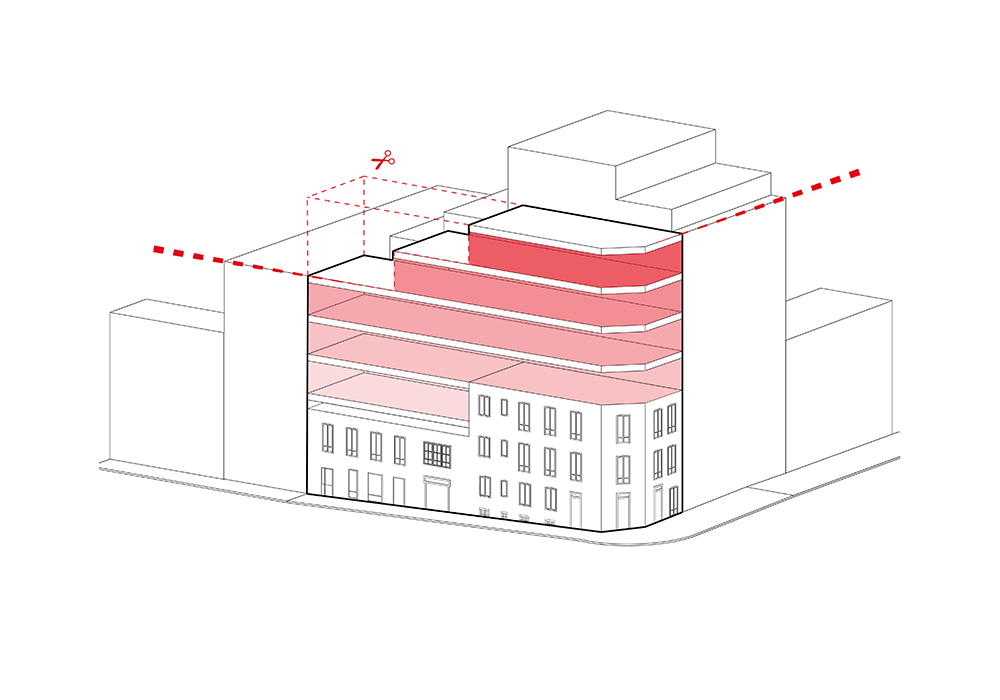
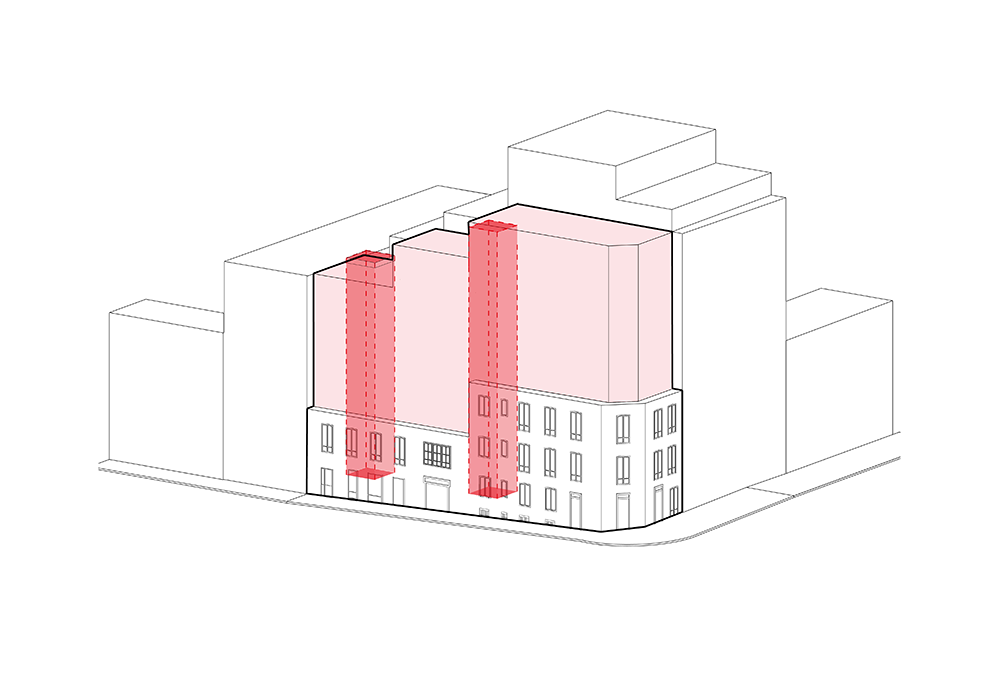
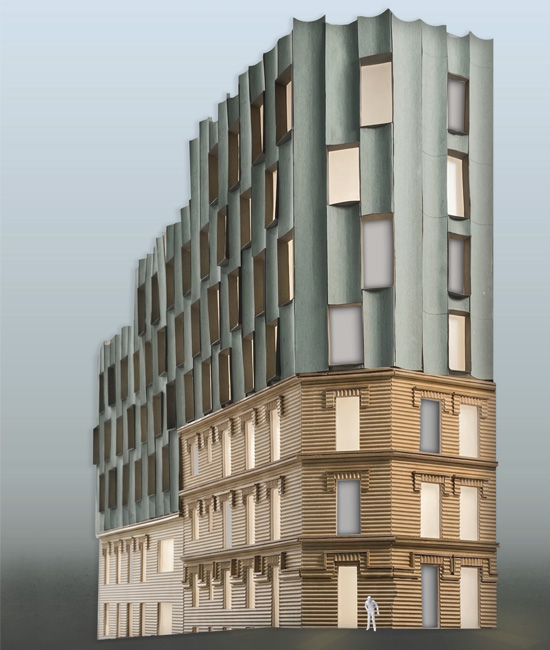
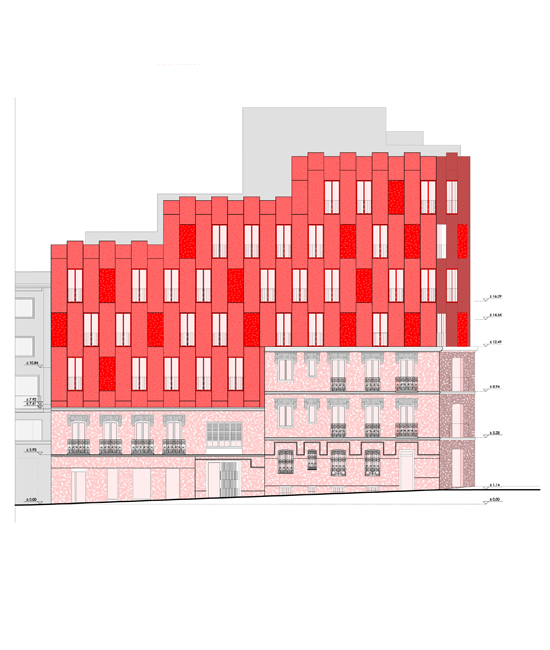
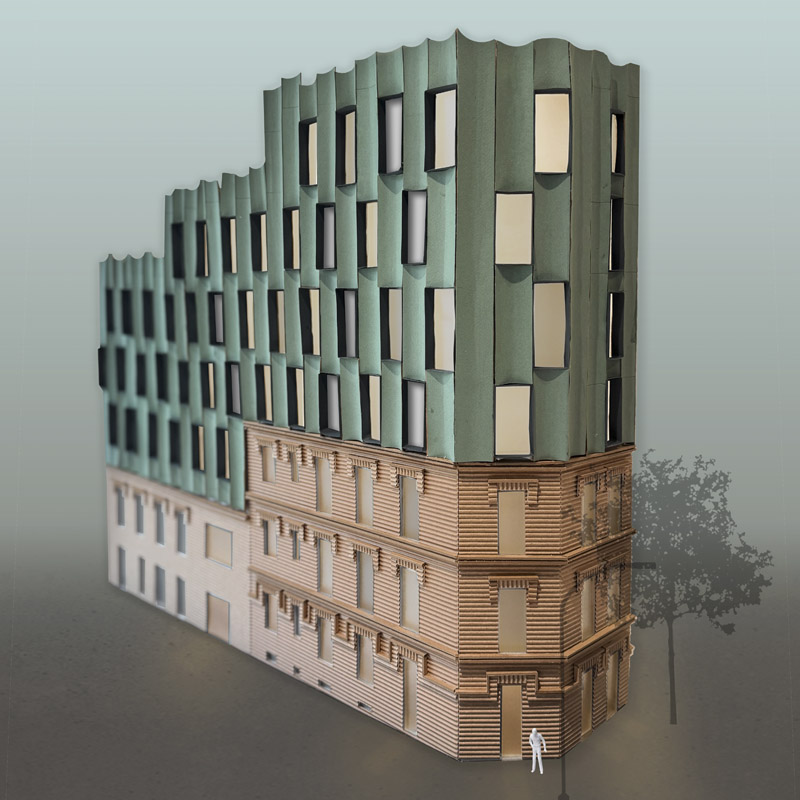
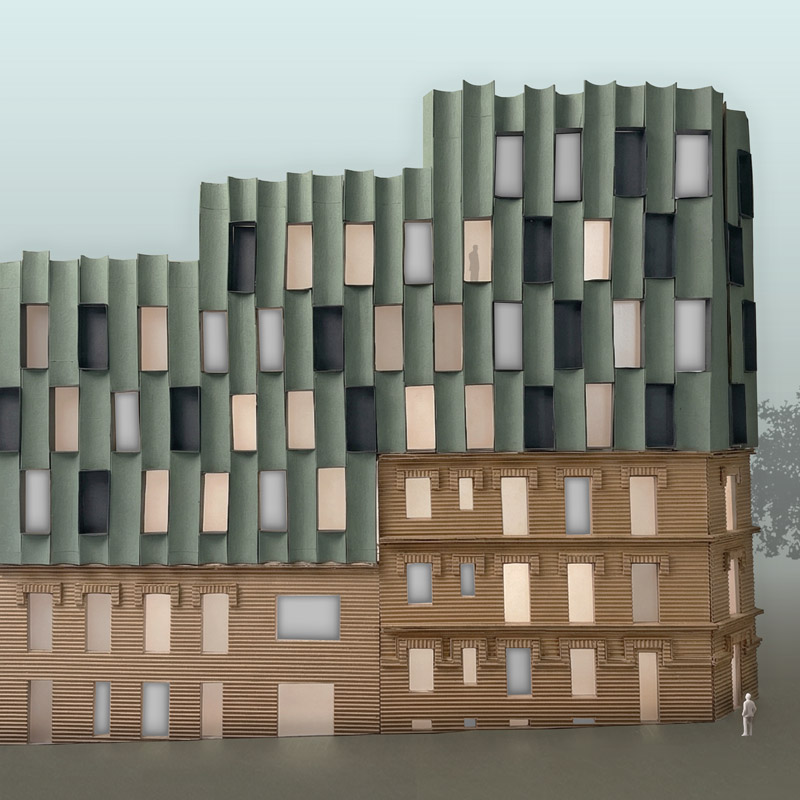
By preserving the remarkable neo-Mudéjar façade of the small building at Delicias 58, the proposal envisions a complete interior gut renovation, creating a basement and seven above-ground floors. Two strategically placed courtyards help organize the layout of the new residential building, which will include 21 one- and two-bedroom units, commercial space, and shared amenities such as a swimming pool, co-working area, gym, terraces, and 21 associated storage rooms. A contemporary building designed for urban living, located in the heart of Madrid, just a 10-minute walk from Atocha station.
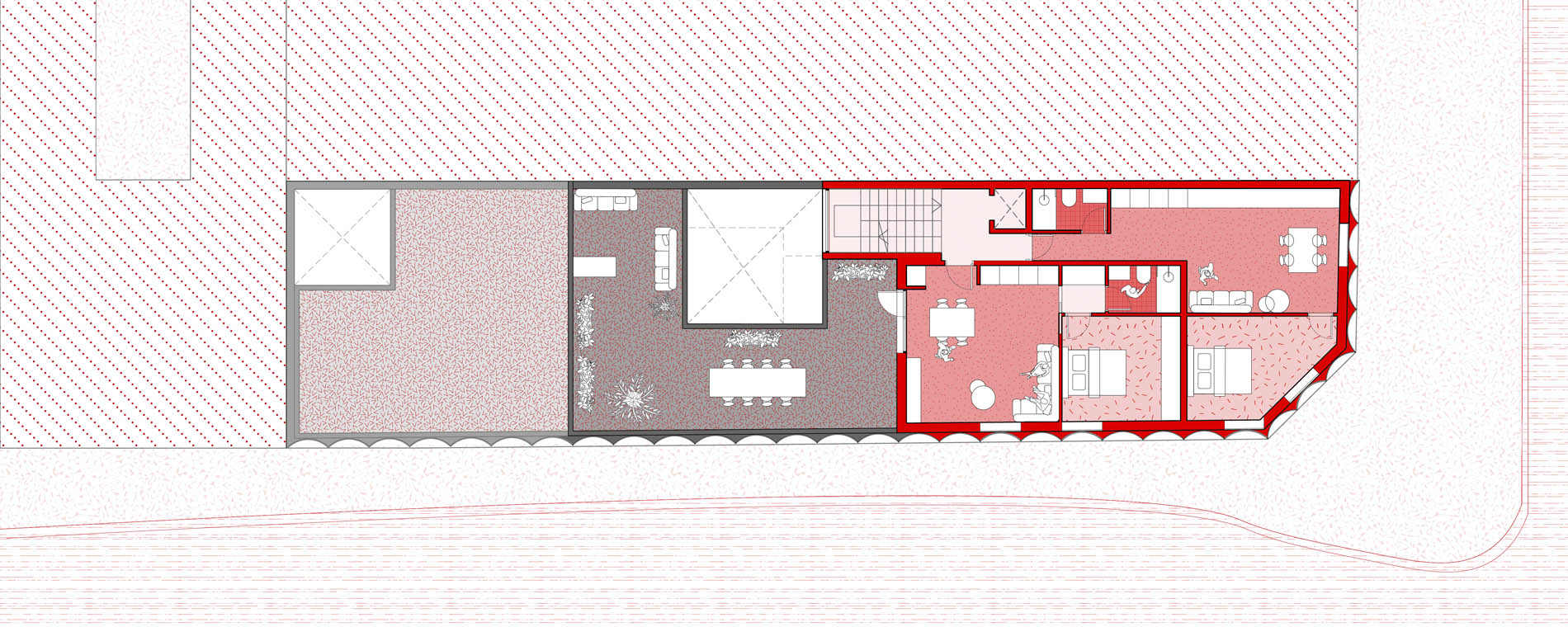
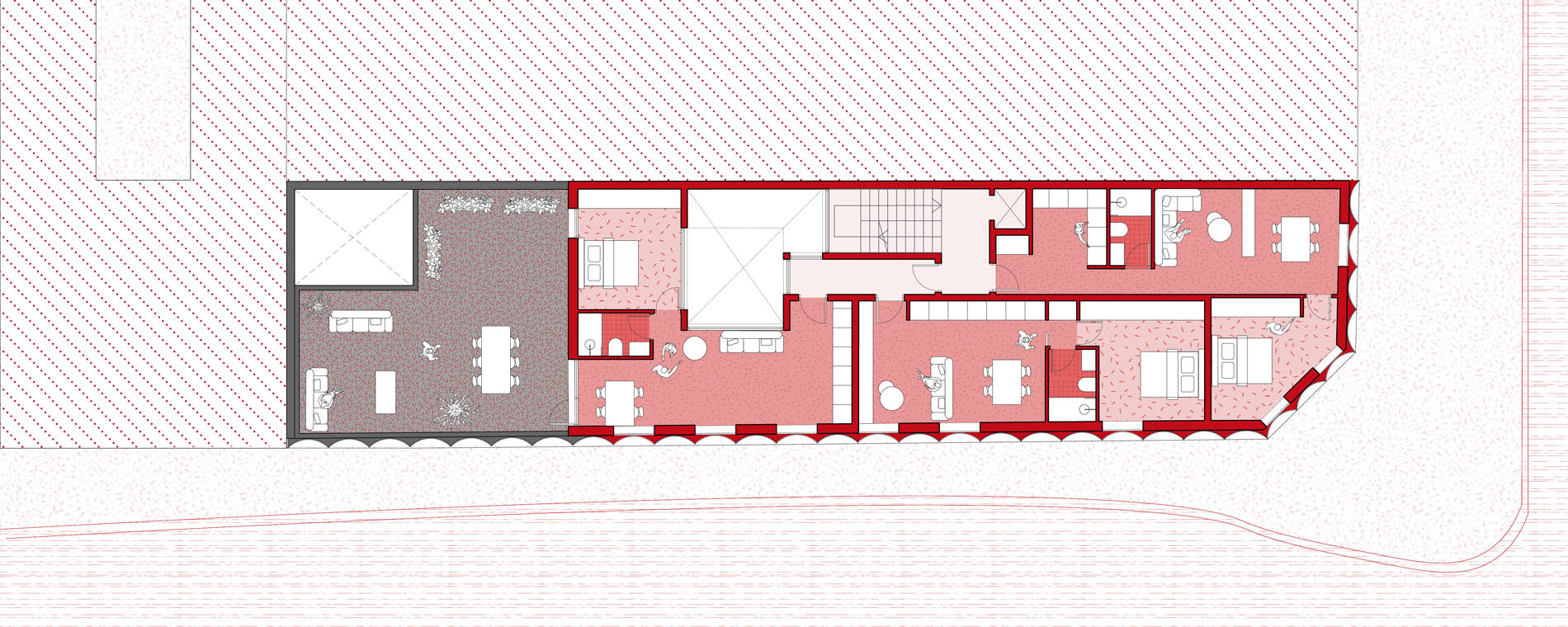
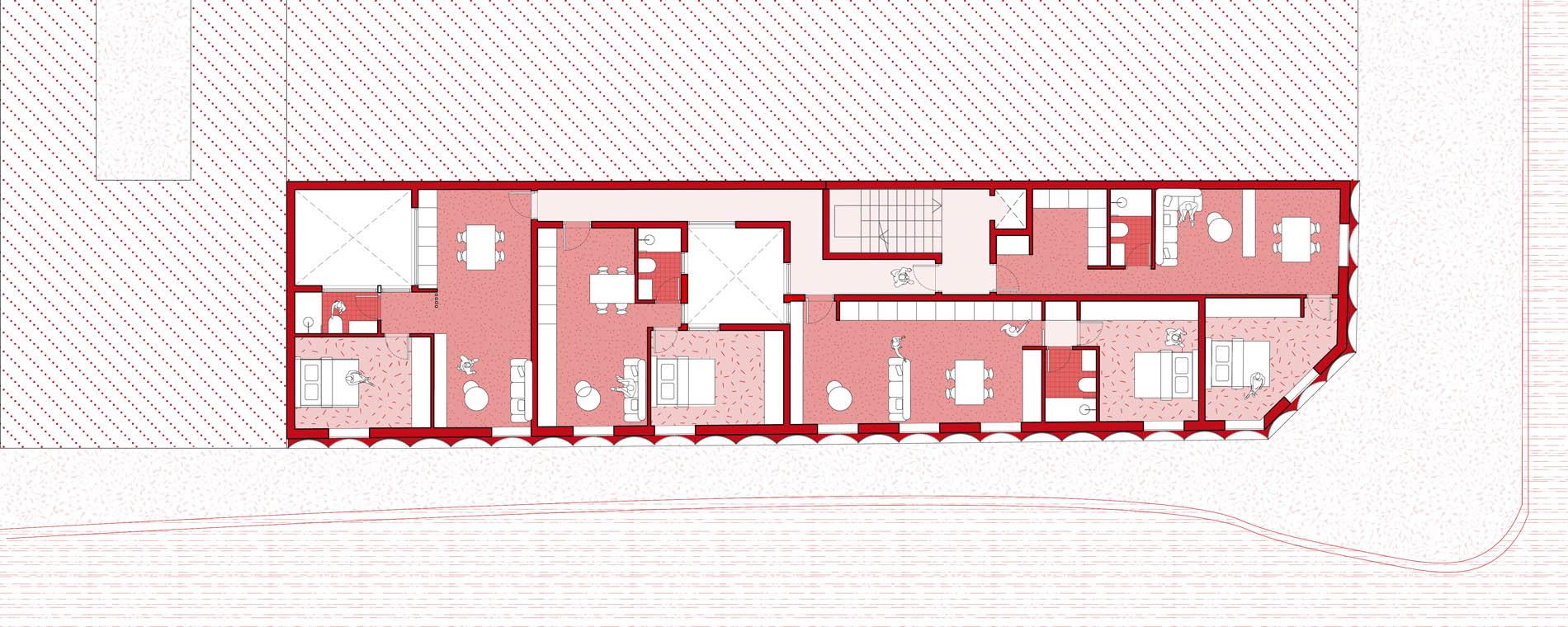
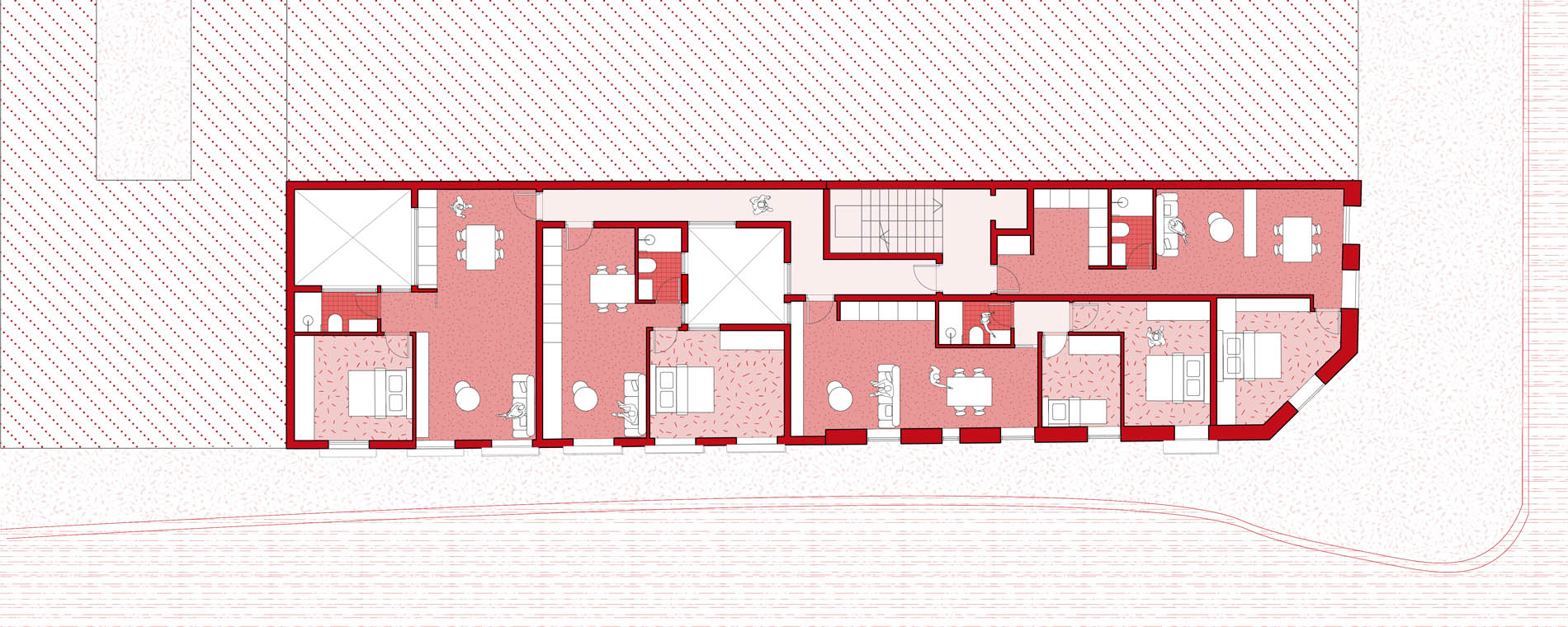
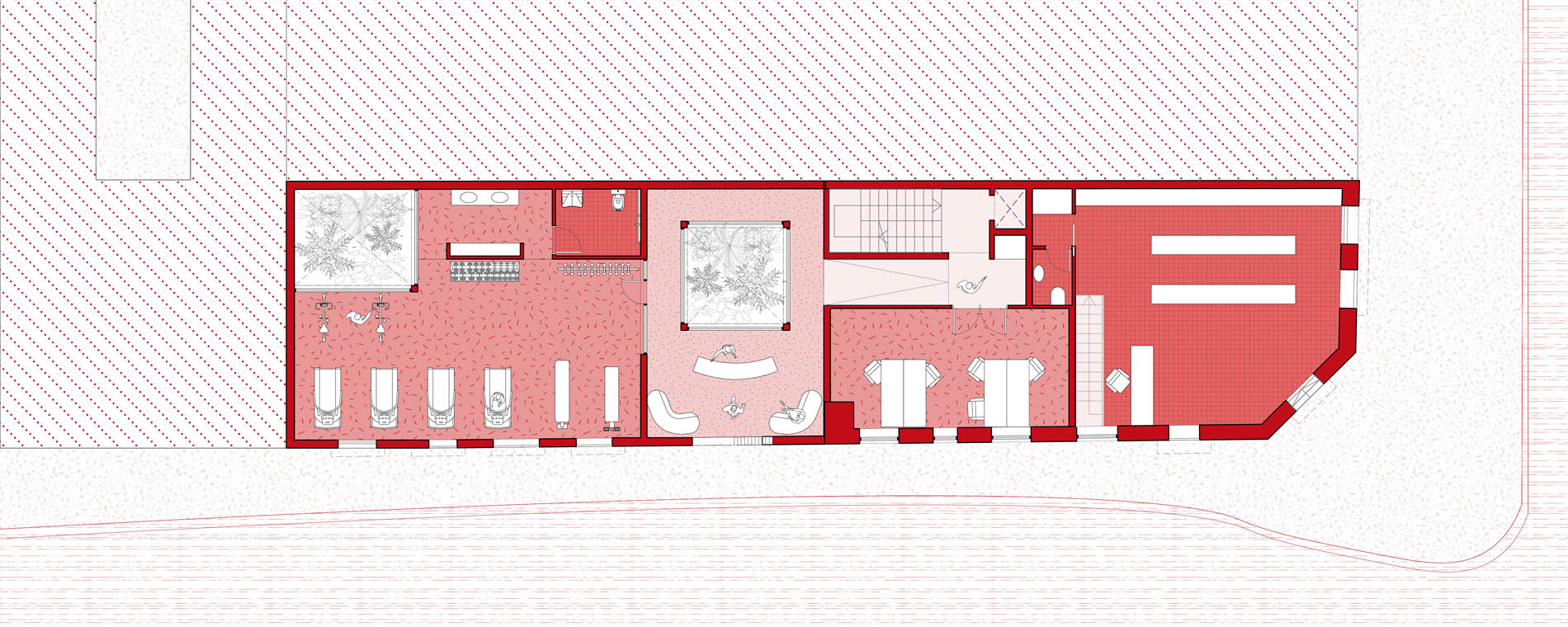
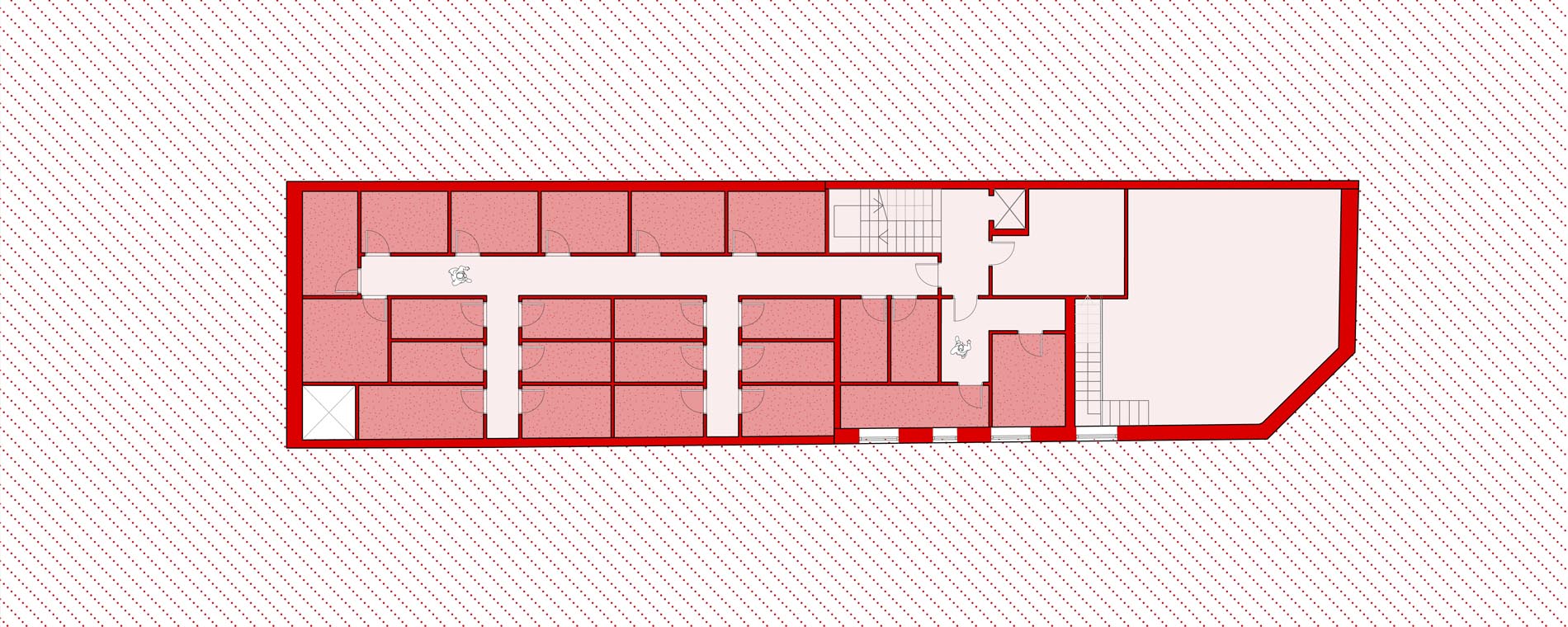
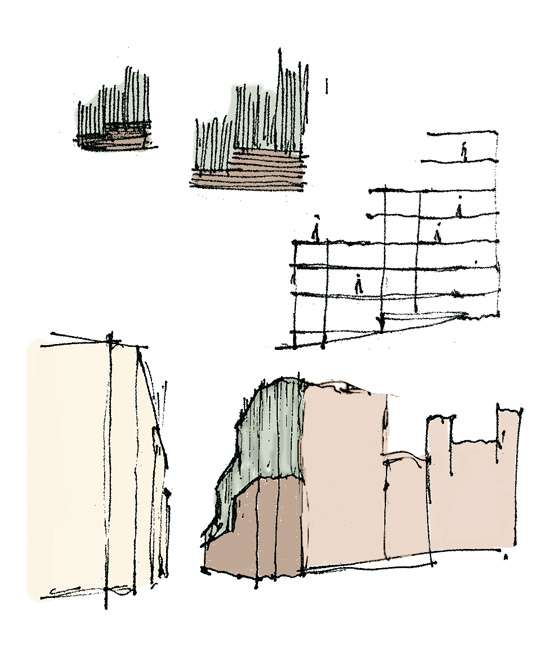
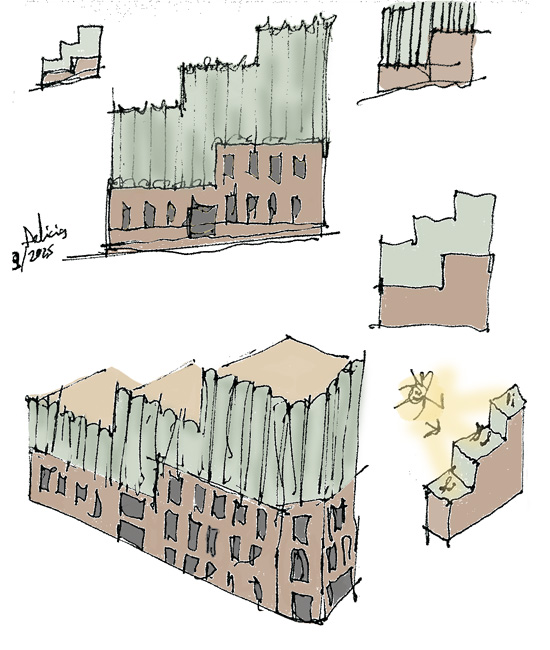
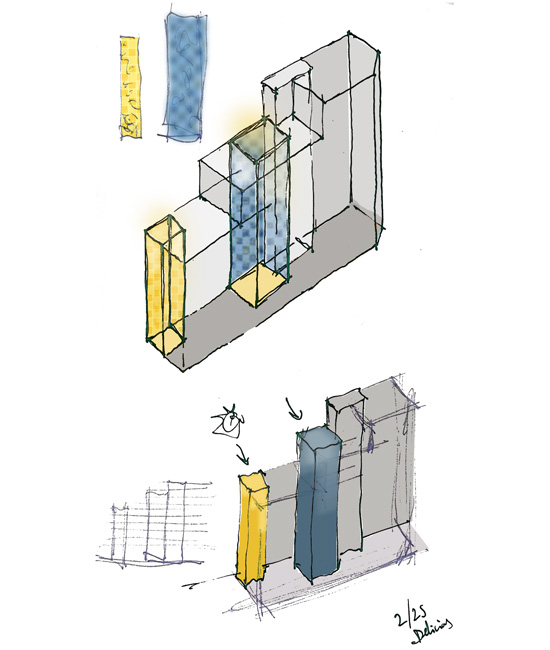
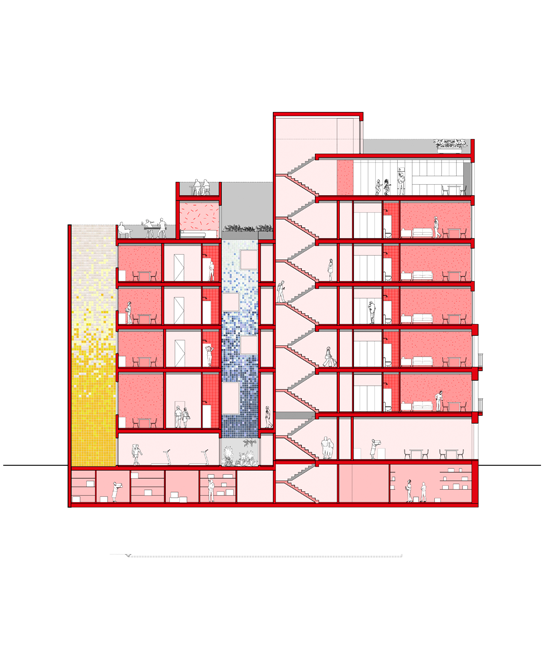
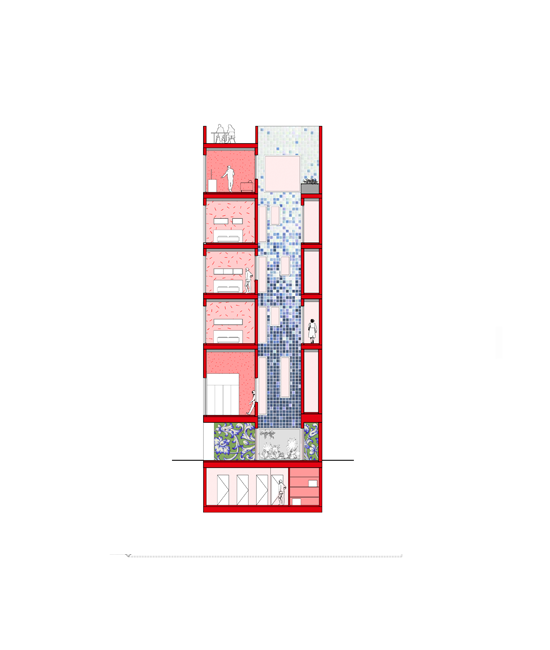
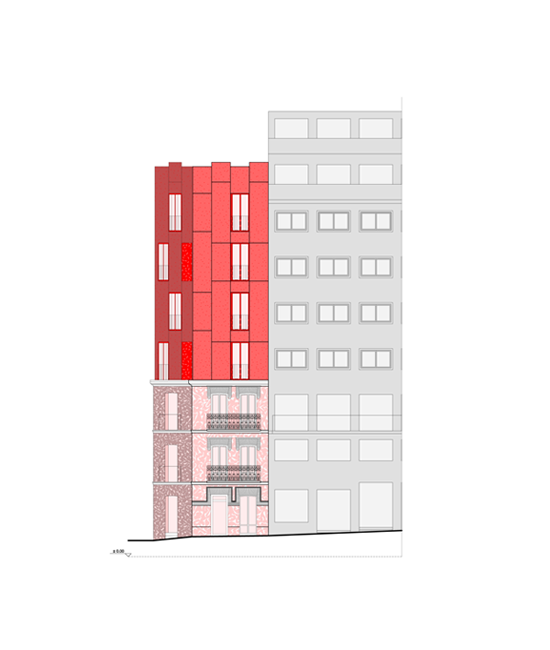
The internal layout of the apartments is efficient and well optimized. The narrow rectangular shape of the plot, together with the two new courtyards, ensures that all units benefit from good natural lighting and ventilation. The top three floors are terraced to comply with height regulations, creating excellent rooftop outdoor spaces that add significant value to the premium apartments on the upper levels.
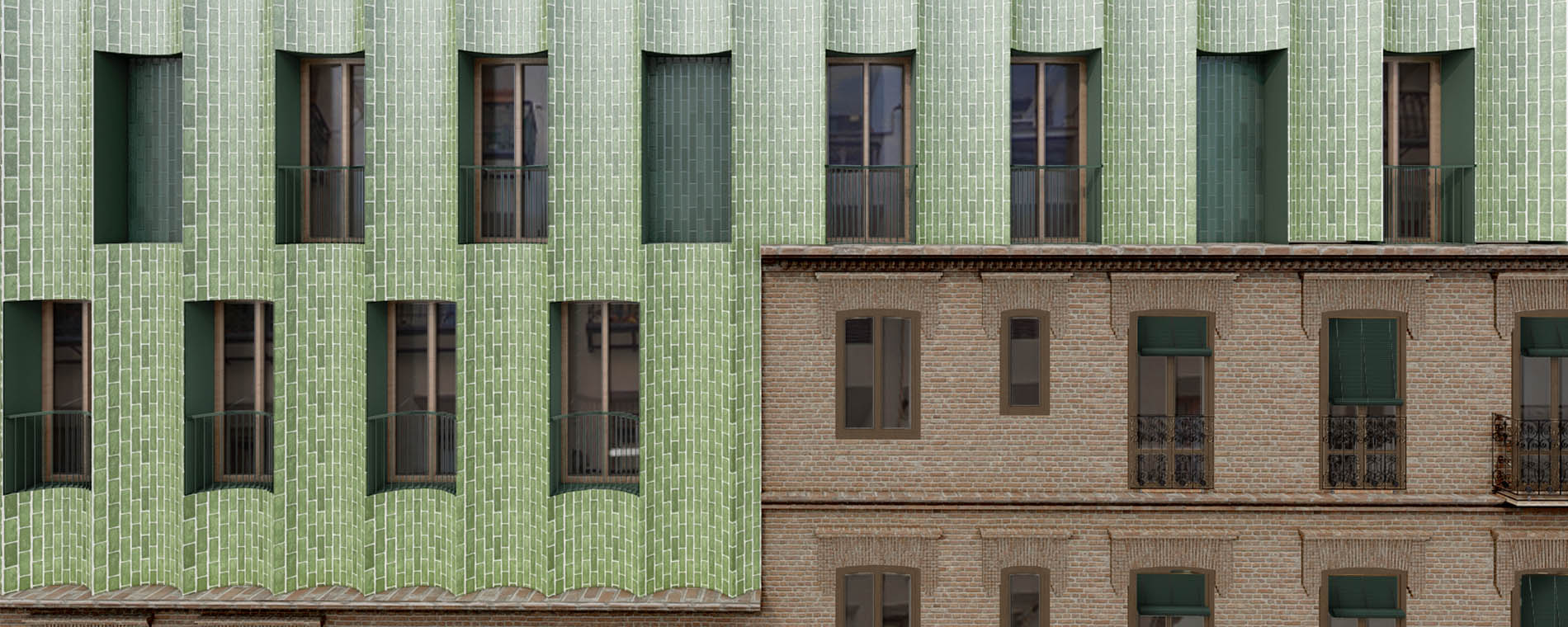
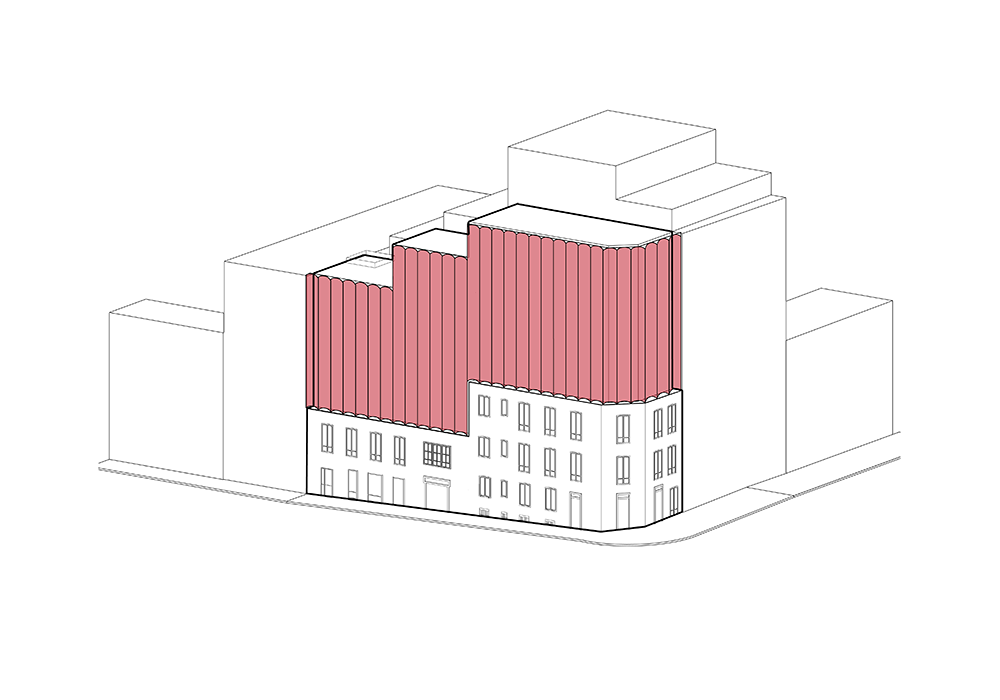
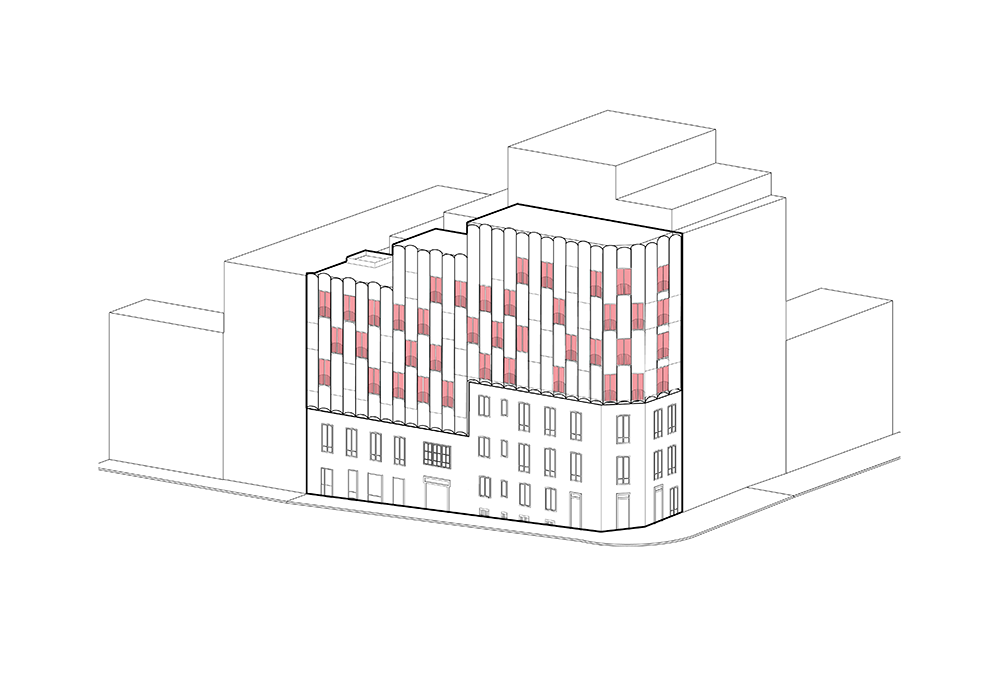
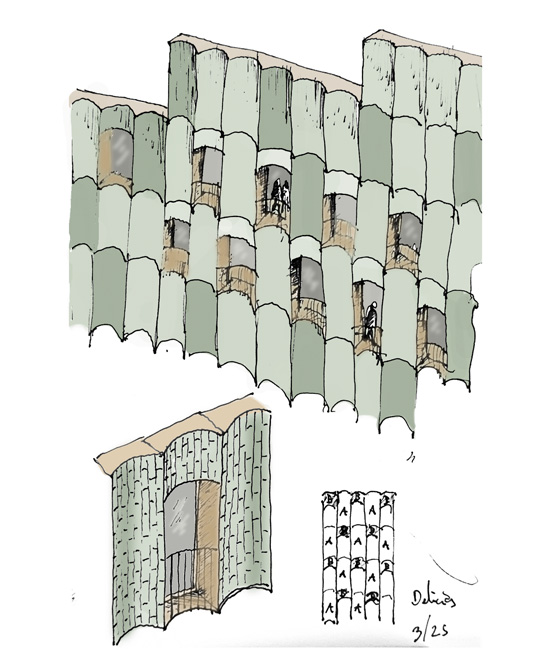
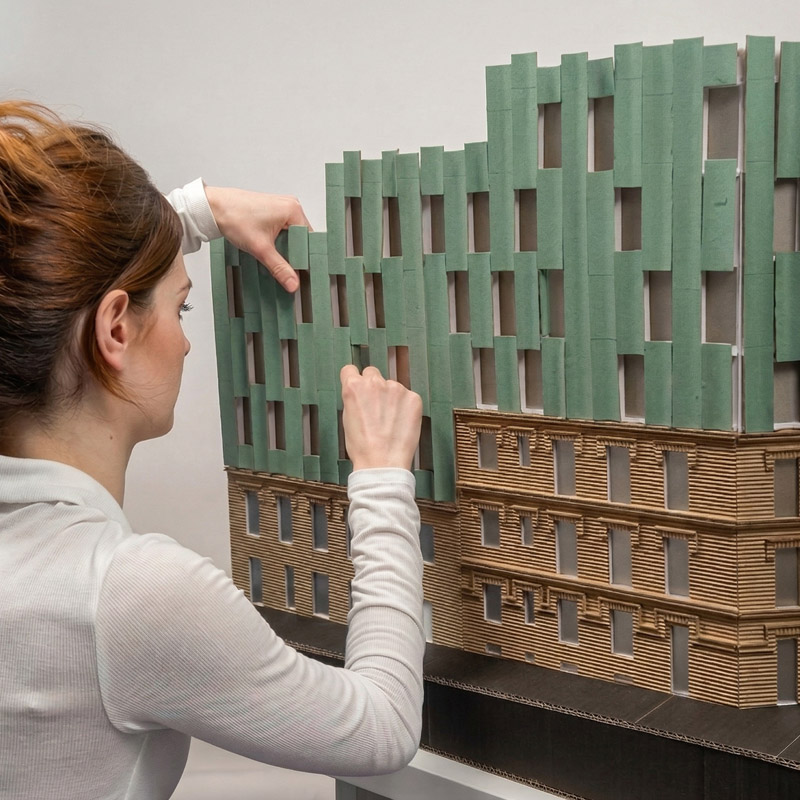
The architects intentionally give the new upper floors a sophisticated and distinctive appearance, contrasting with the beautiful reddish neo-Mudéjar brick façade of the original building. They use concave prefabricated panels clad in glossy green ceramic pieces, achieving material continuity (brick–ceramic) while creating chromatic (red–green) and textural (rough–polished) contrast. The façade elements will be delivered prefabricated and ready to be mounted onto the building’s structure, significantly reducing construction time and CO₂ emissions.
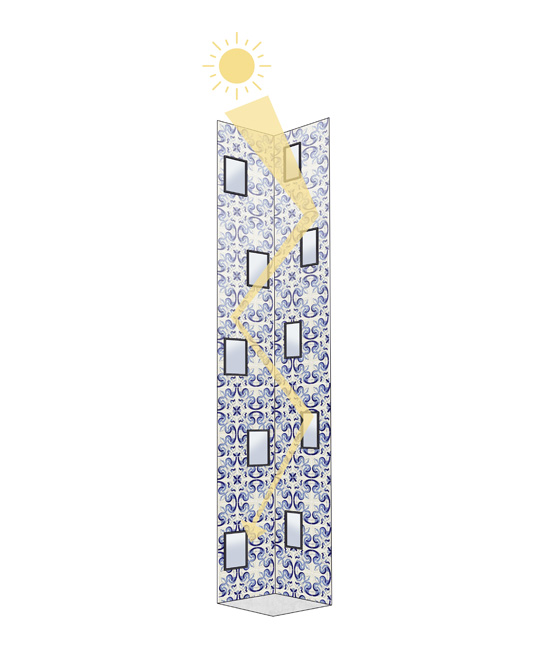
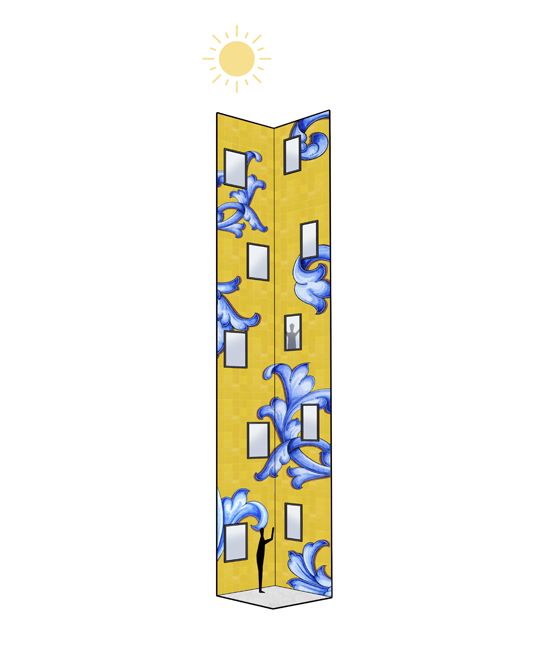
The two courtyards will be clad in ceramic mosaics, playing with color and reflecting light as it descends through them thanks to their glossy finish, creating a magical and evocative atmosphere in these interior spaces—areas that are often considered secondary due to their lack of direct connection to the street.
Delicias 58 is a residential building that maximizes the potential of its plot, respecting the essence and façade of the original historic structure while revitalizing the area and accommodating new forms of contemporary urban living. Its distinctive façade of concave green ceramic pieces contributes a vibrant and unique character to the image of a new Madrid—cosmopolitan and sophisticated—built upon that former brick city that could once be crossed on foot in little time.
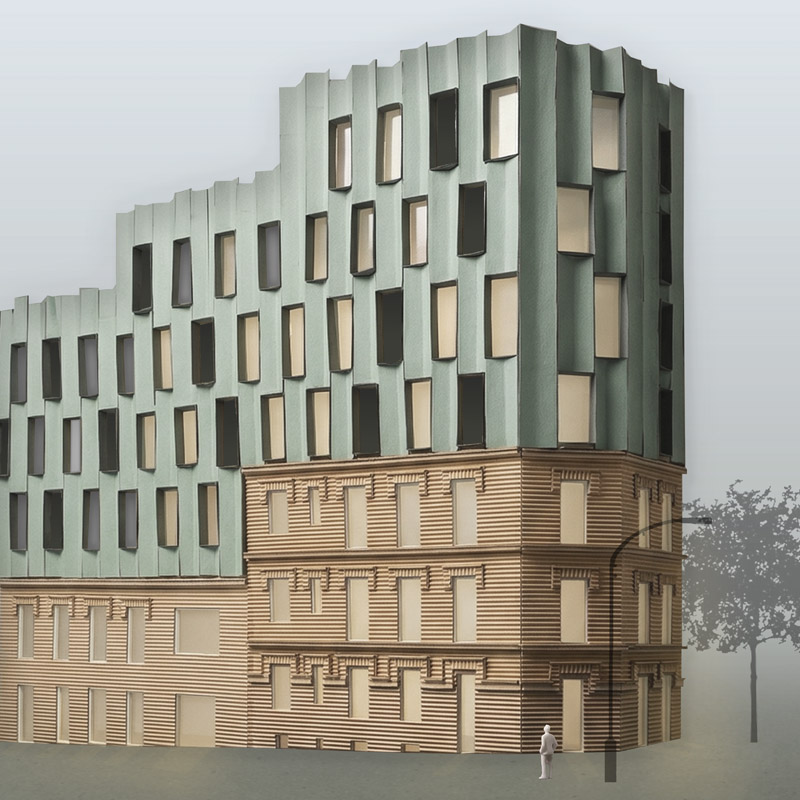
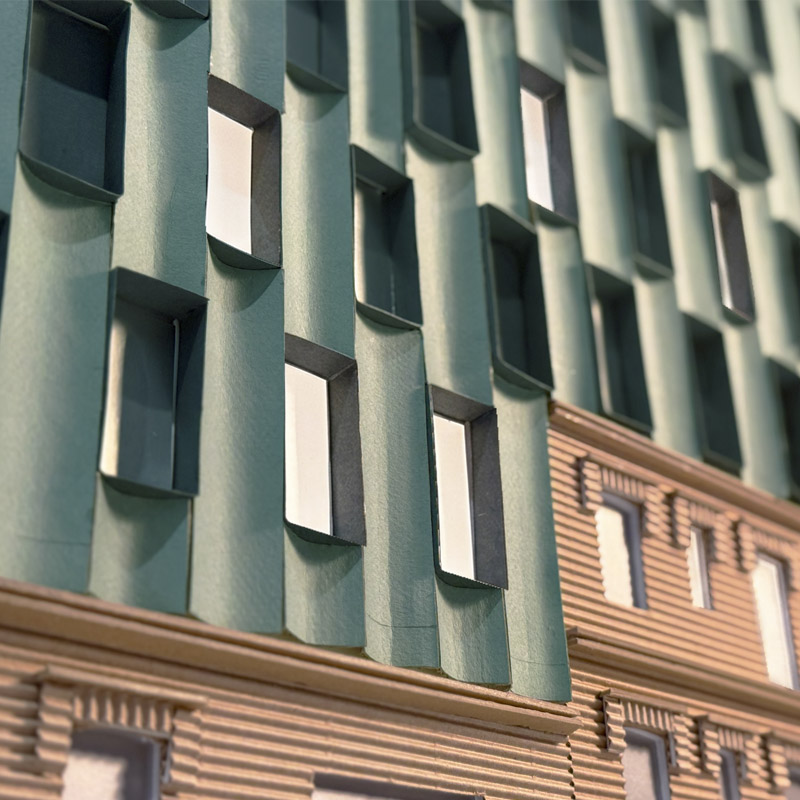
Collage del Proyecto