
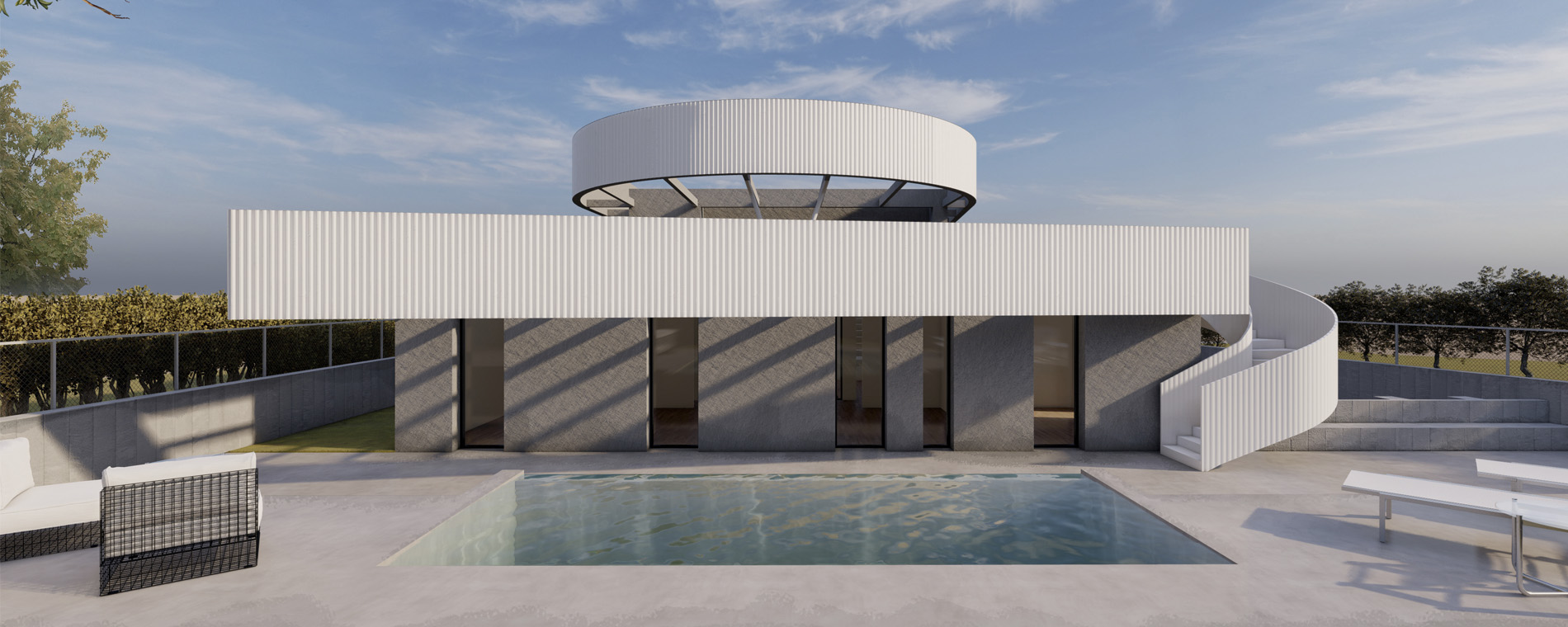
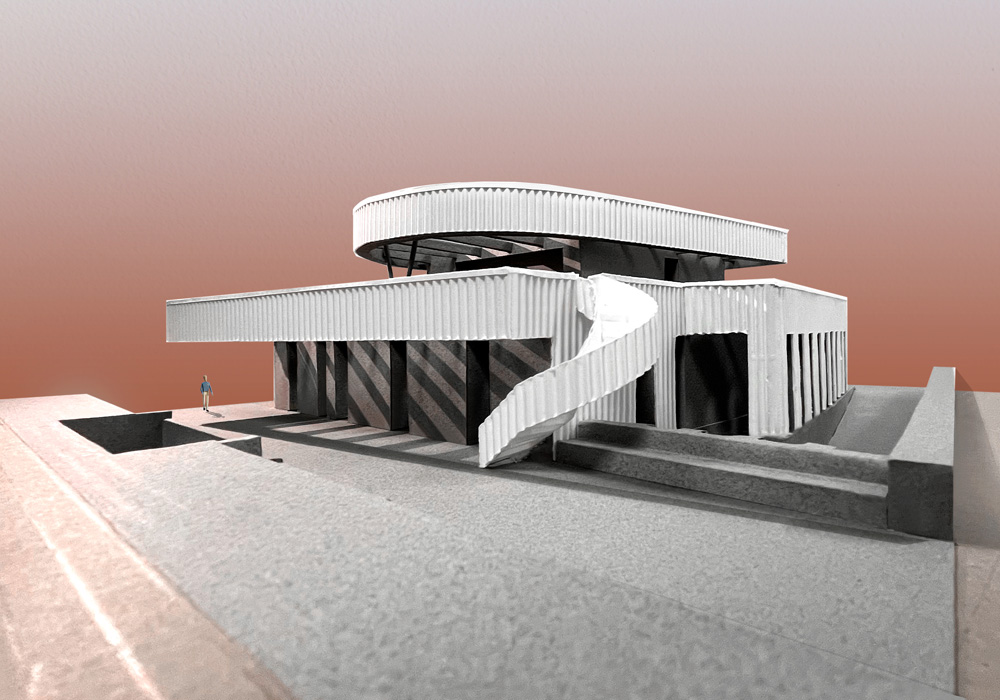
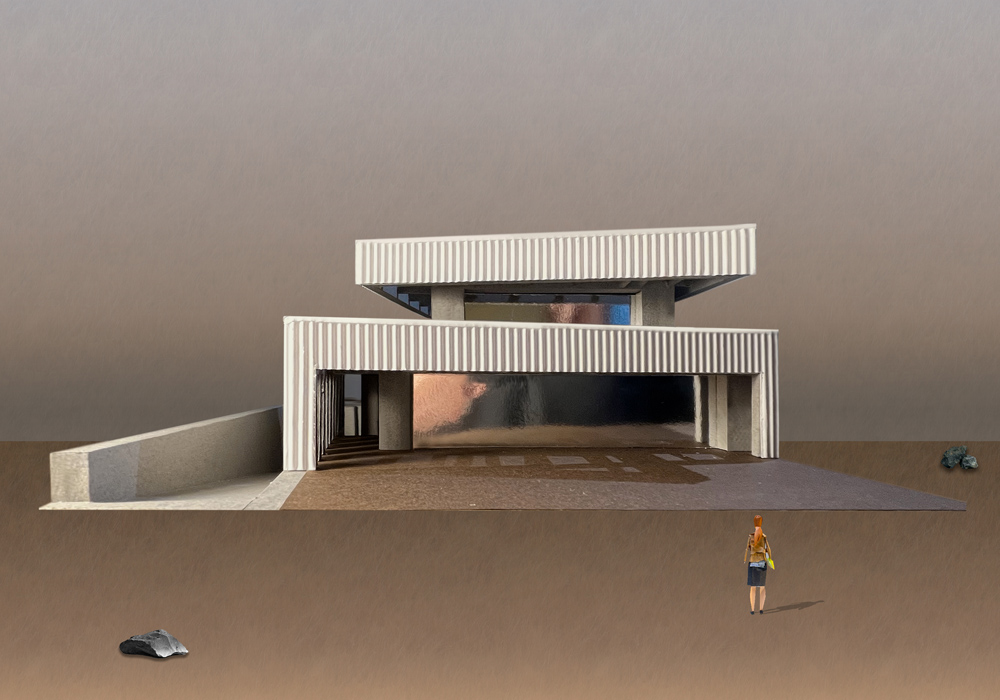
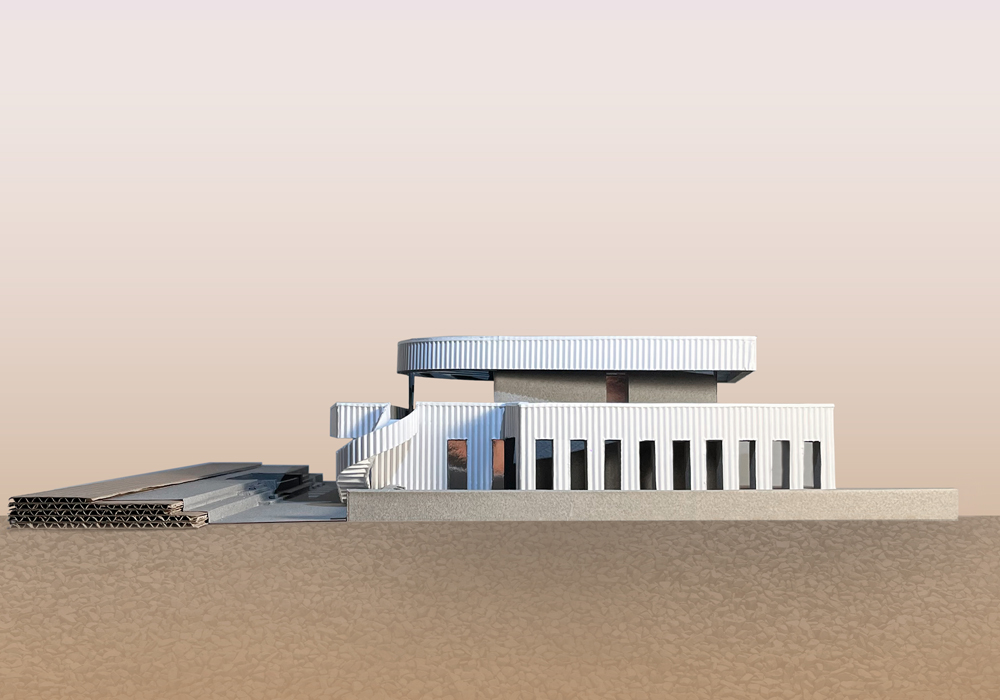
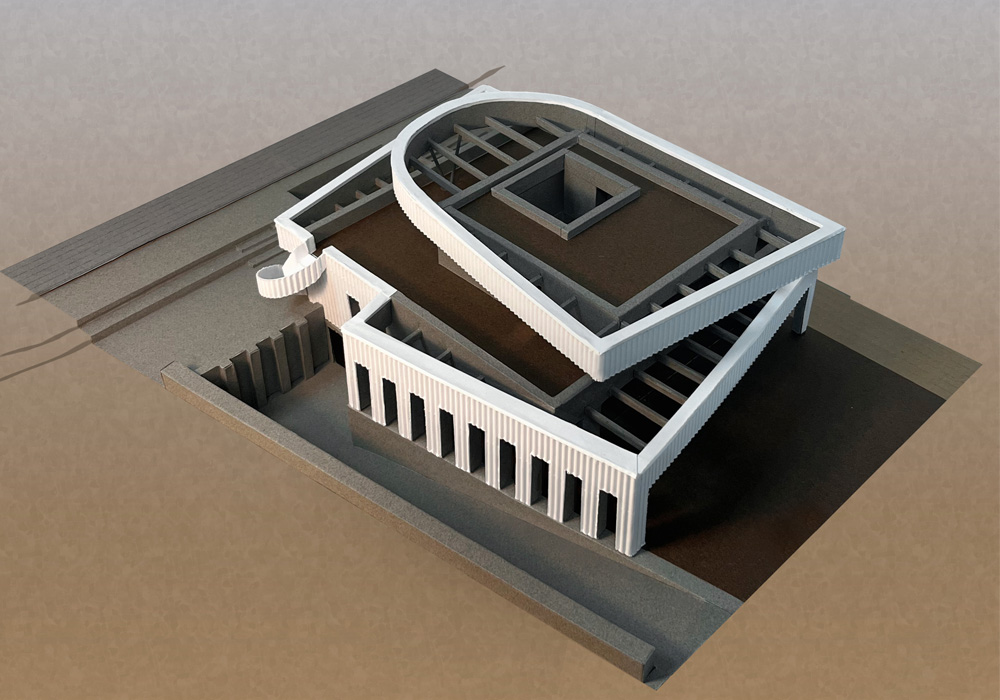
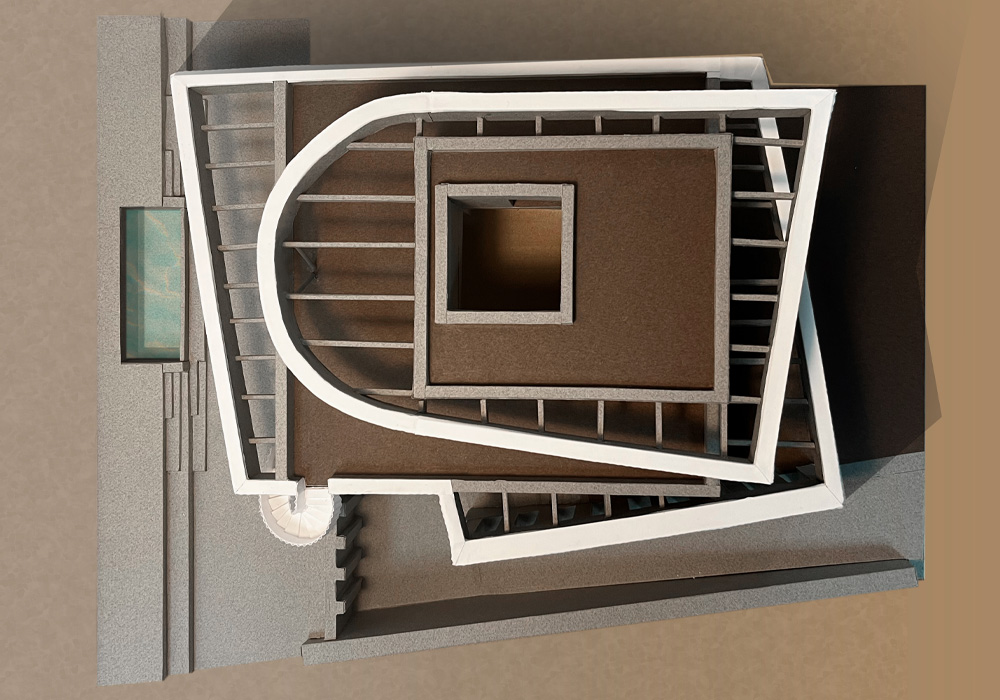
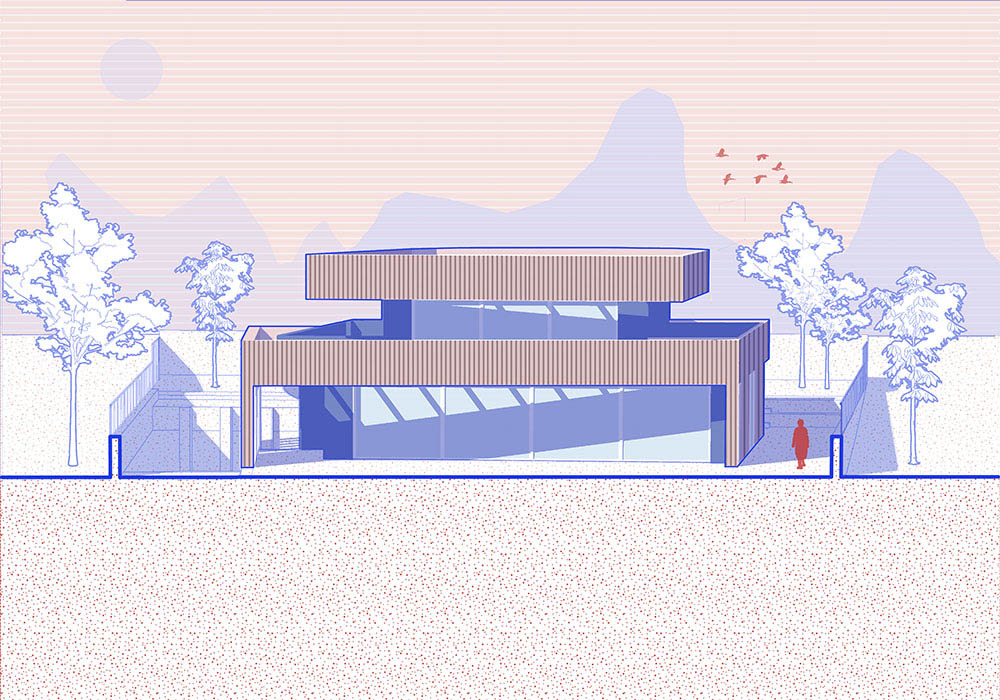
From the very beginning, the goal was to create a fully customized designer home for its future inhabitants. When the context offers little of interest to anchor the project, architecture turns inward, focusing on the piece itself—the built object. Together with the young family, the architects at OOIIO conceived a house as an abstract and symbolic entity: a private world filled with plays of light and shadow and meticulous attention to detail—AZA House.
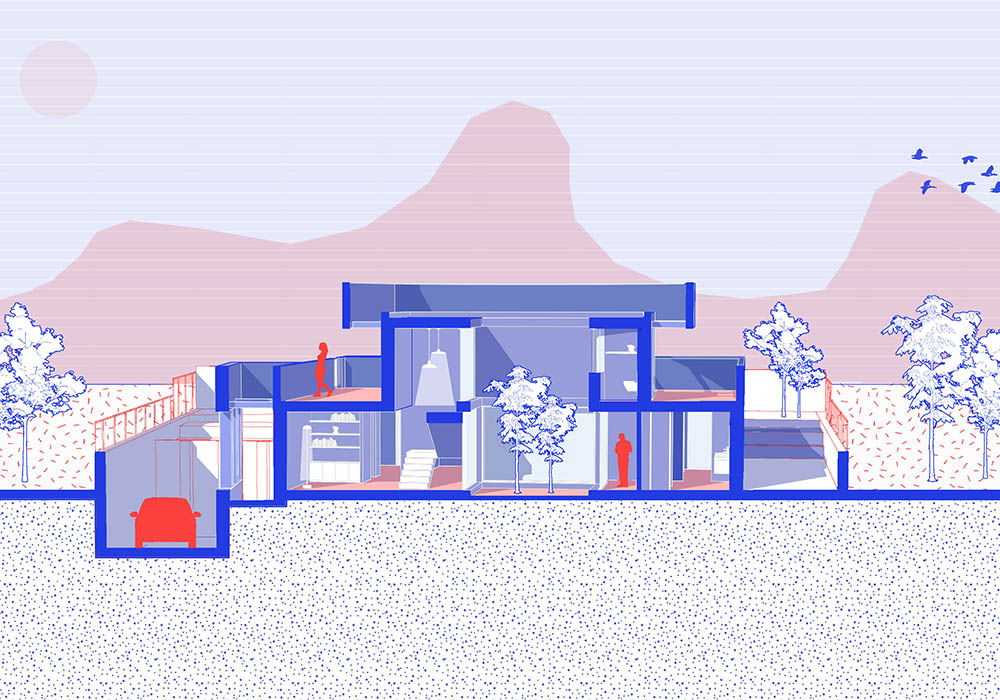
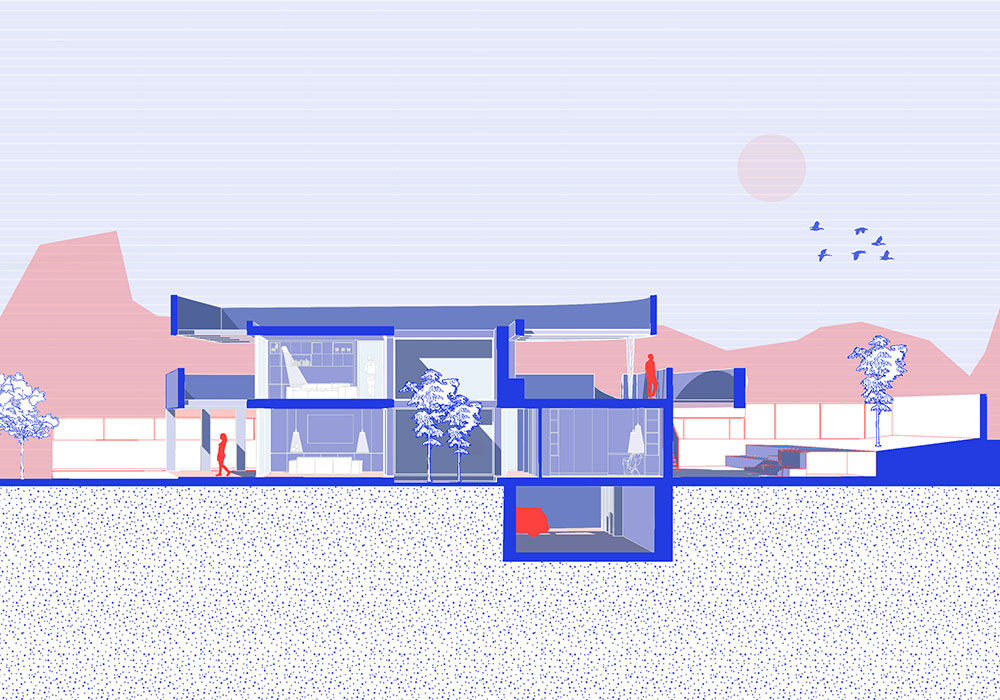
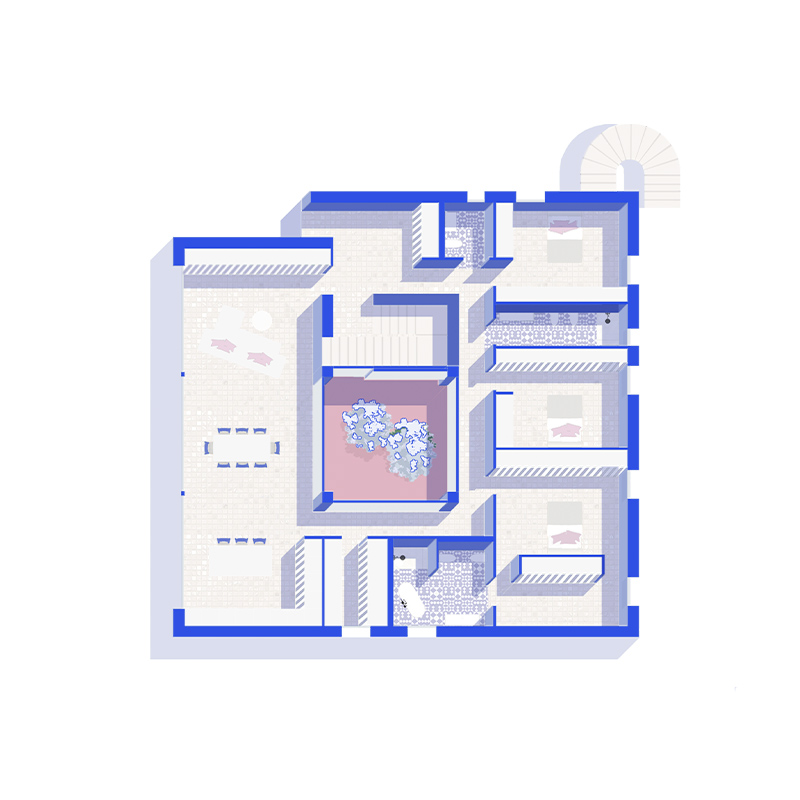
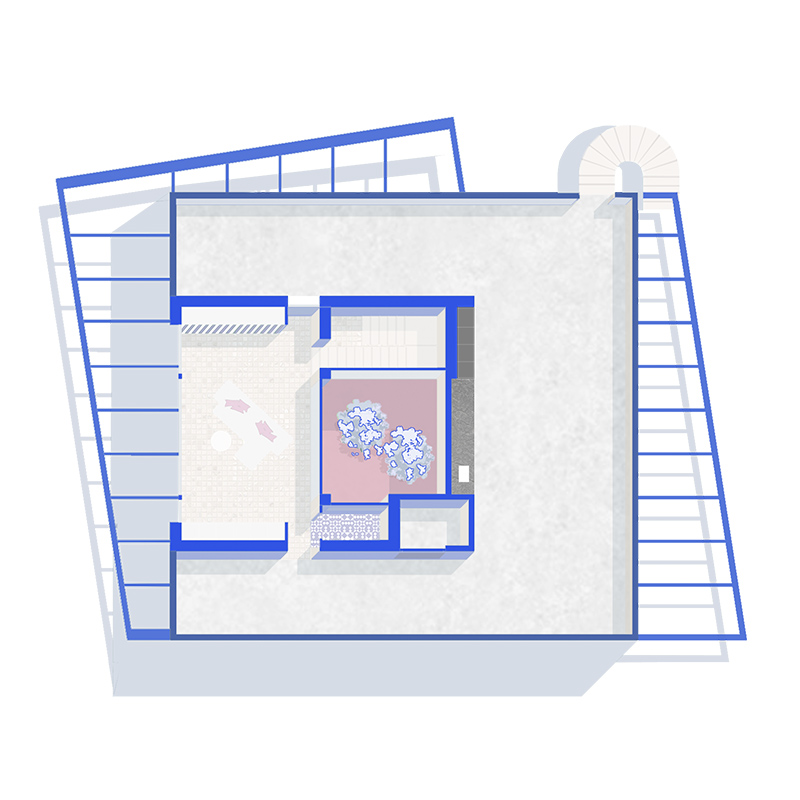
Despite what its outwardly rich and expressive appearance might suggest, the program of the house is actually resolved through a pair of simple rectangular volumes stacked one on top of the other, organized around a central courtyard that fills the heart of the home with natural light and ventilation.
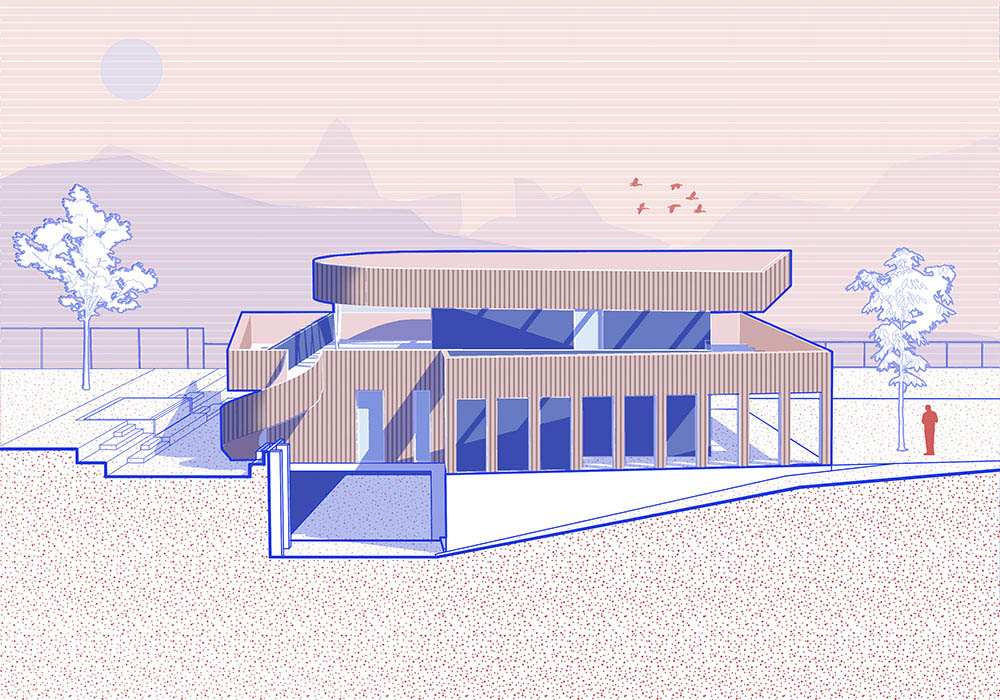
The ground floor is where daily family life unfolds. It invites enjoyment of the porches and intermediate outdoor spaces on pleasant days. It connects directly with the surrounding garden and is crossed by the central courtyard, ensuring natural light reaches every corner. The upper floor is dedicated to social life and leisure: a gathering lounge, outdoor terraces with a barbecue, and large pergolas designed to protect guests from the sun.
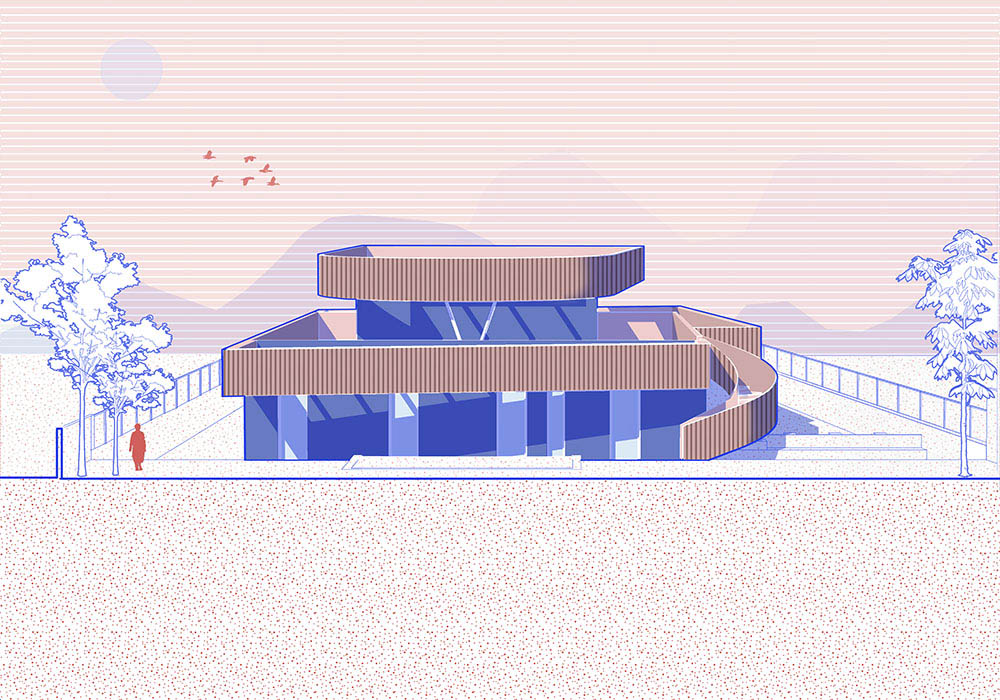
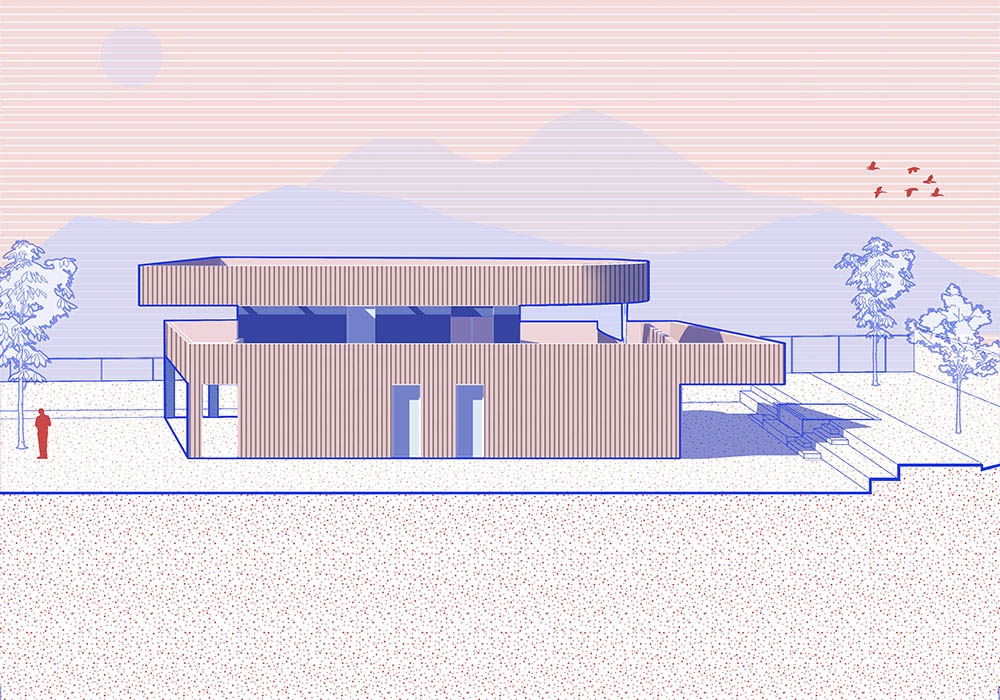
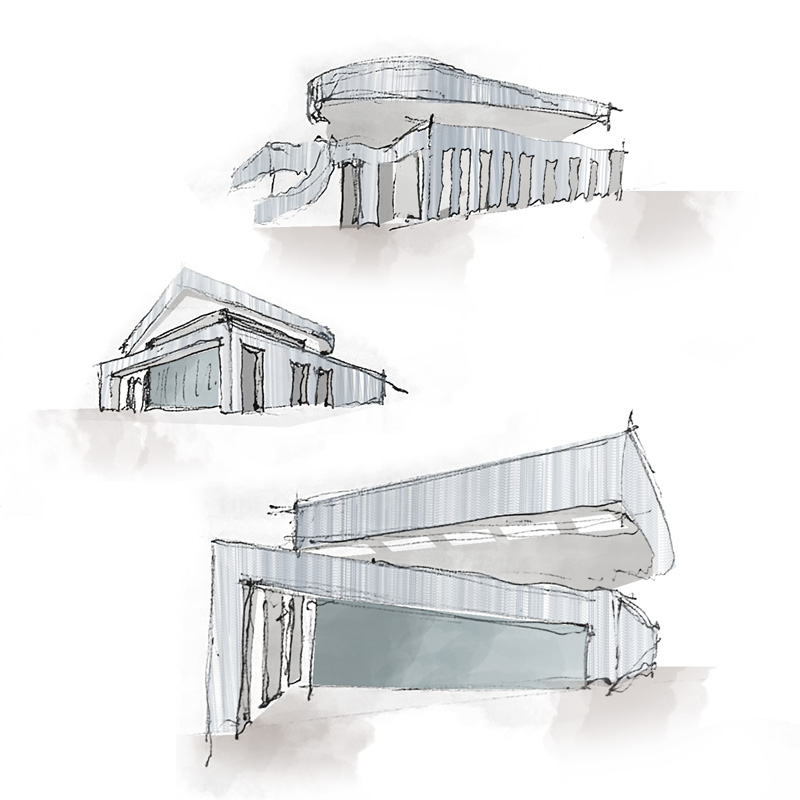
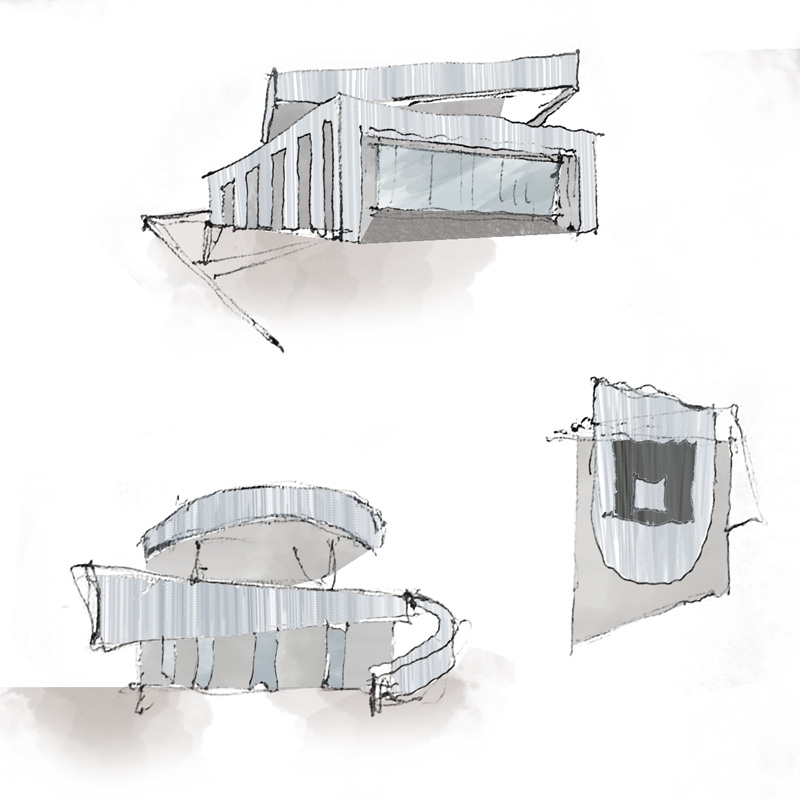
If anything defines the architecture of AZA House, it is precisely these thresholds—the interstitial spaces that simultaneously separate and connect interior and exterior. A set of simple architectural elements dresses the rectangular blocks that contain the house’s program: pergolas, porches, and colonnades—like the one accompanying the approach to the home—arranged with a dual purpose: to play with sunlight, creating a microclimate around the building, and at the same time to give the house a sense of representation and monumentality.
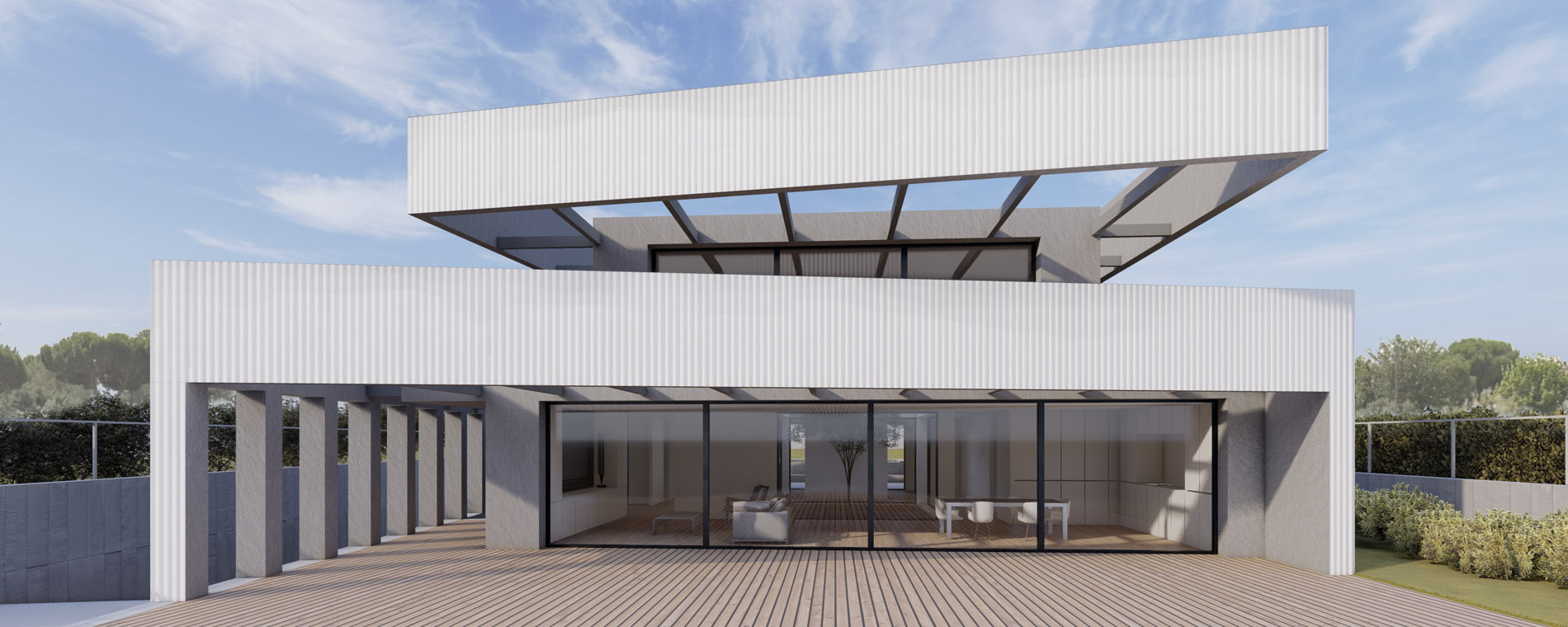
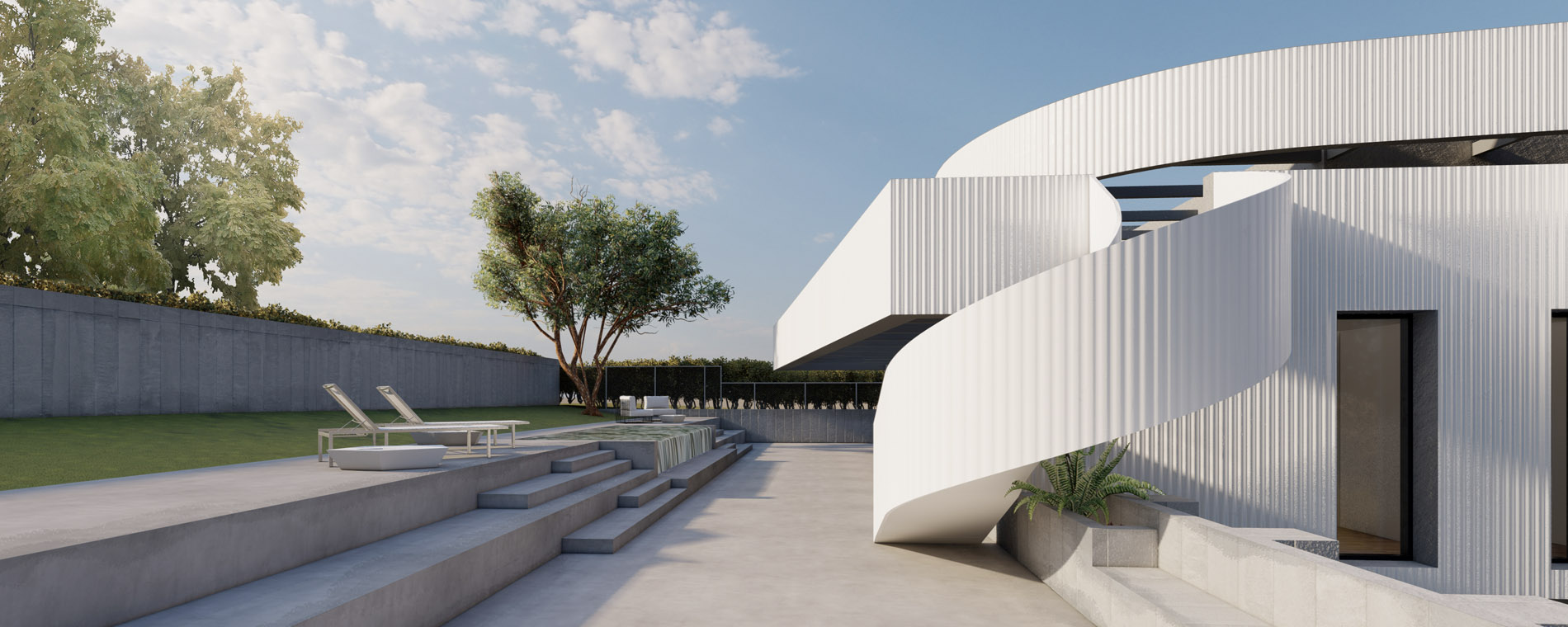
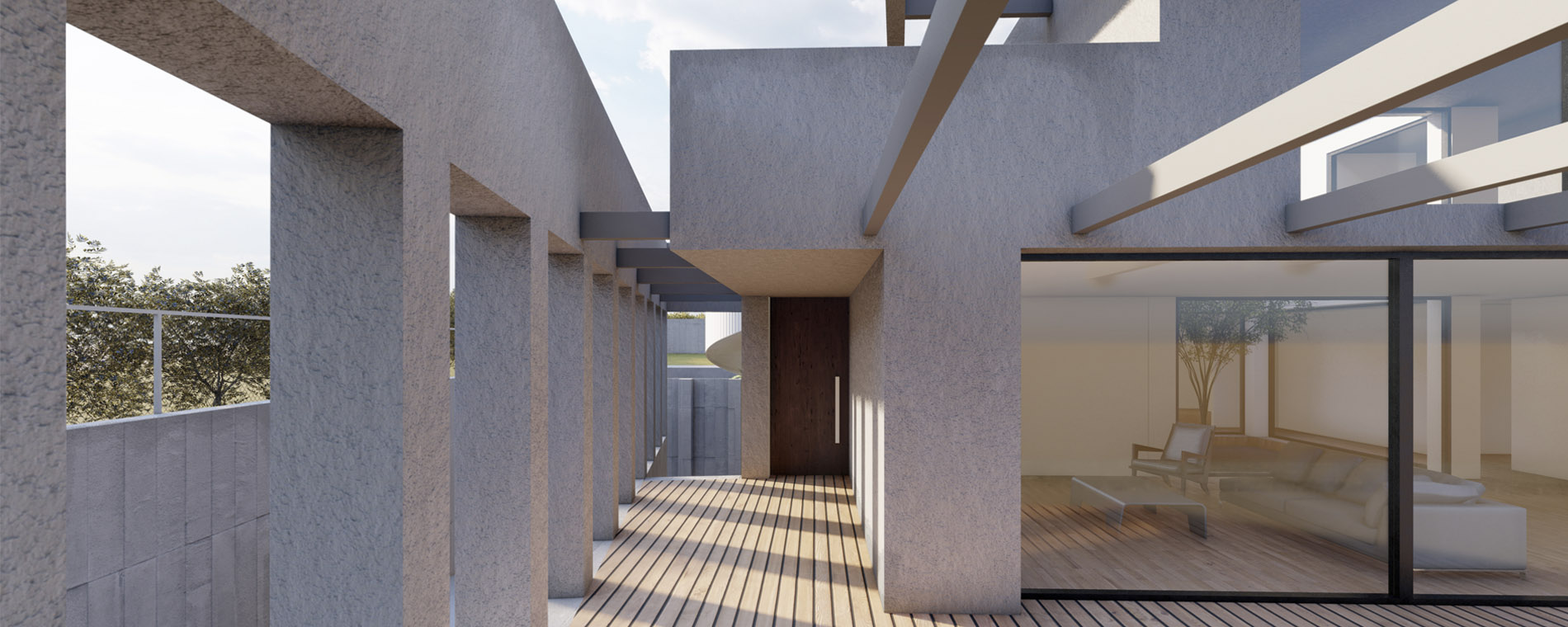
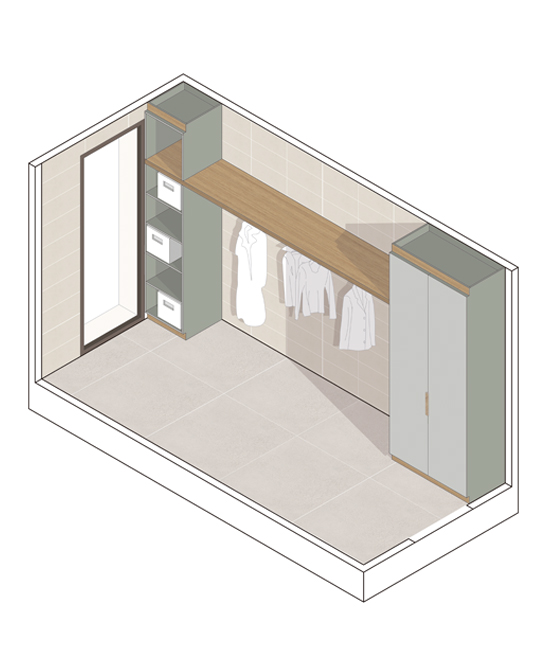
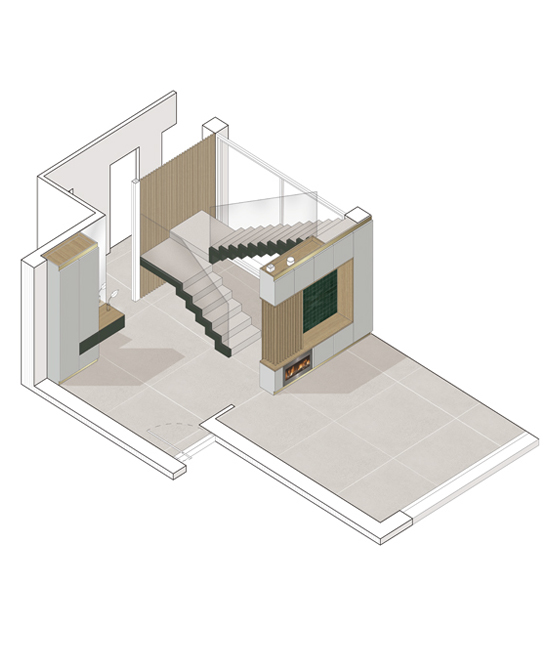
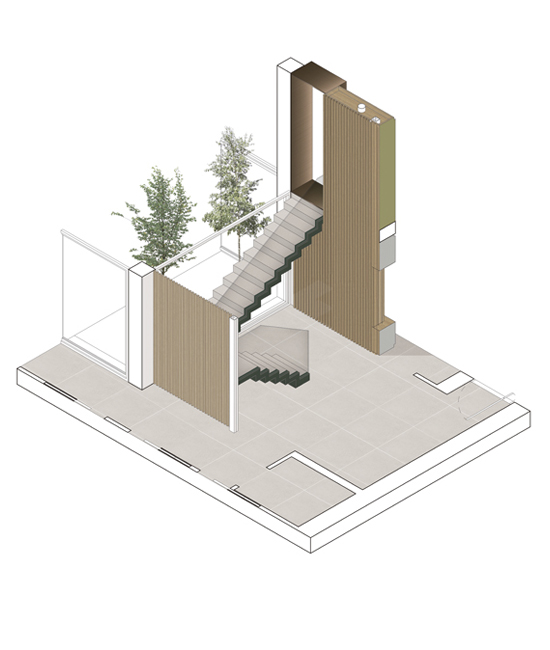
Through them, the house gains a façade, a colonnade, a sculptural exterior staircase… Casa AZA suddenly becomes a deconstructed domestic temple in which to venerate a family’s daily routine. These “temple fragments” are clad in white corrugated metal sheeting, reminiscent of the fluting of classical columns, making the house vibrate with the movement of the sun.
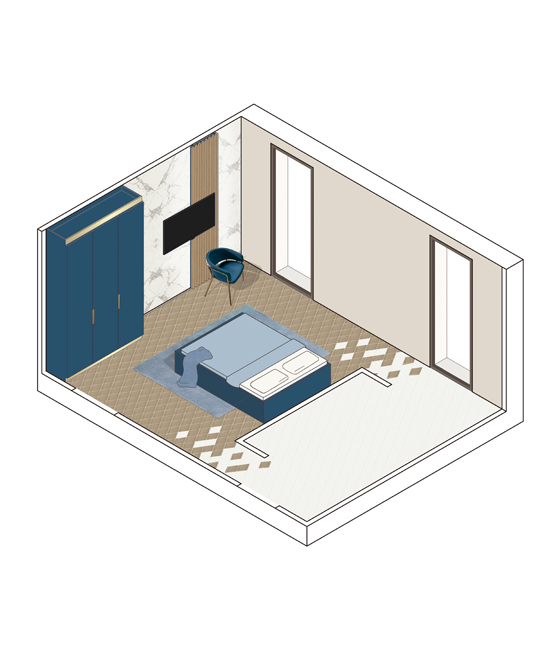
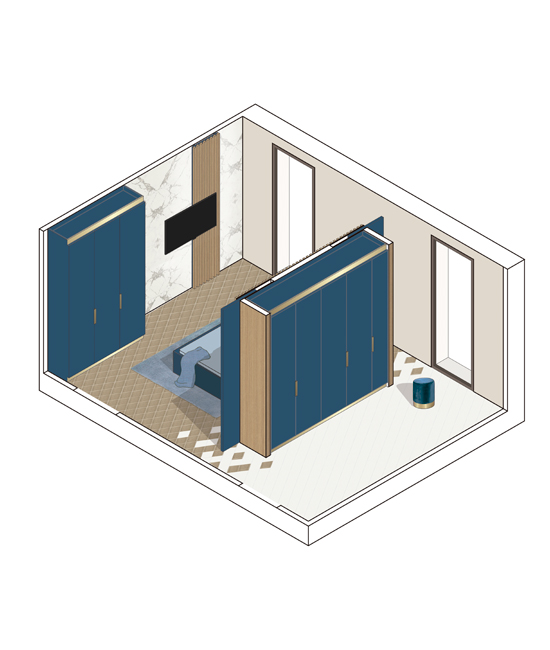
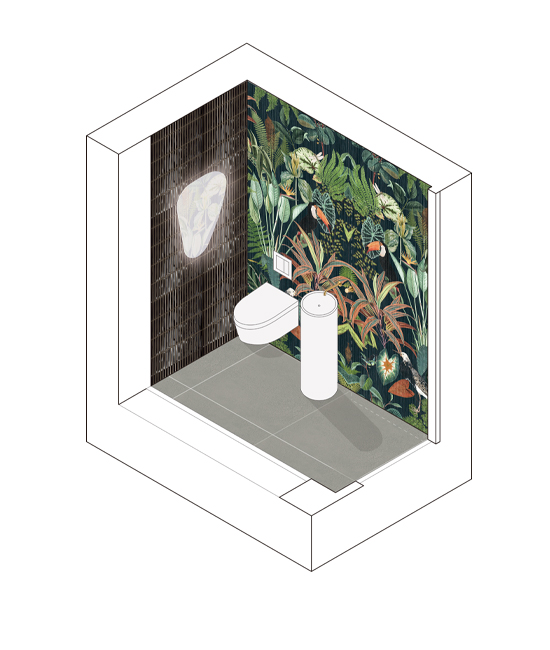
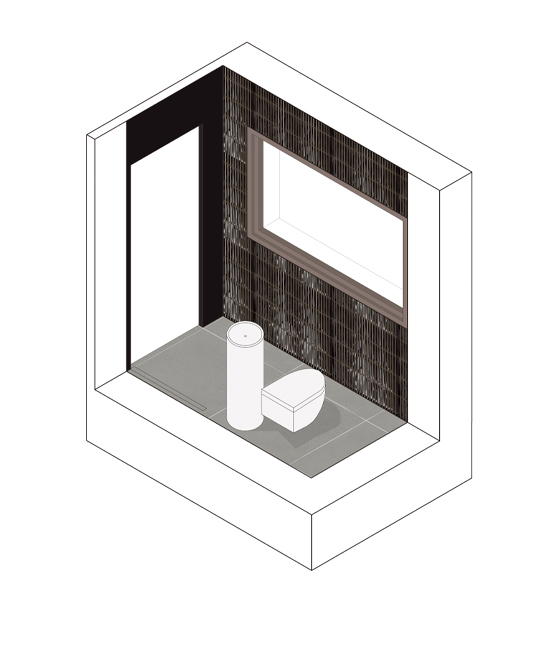
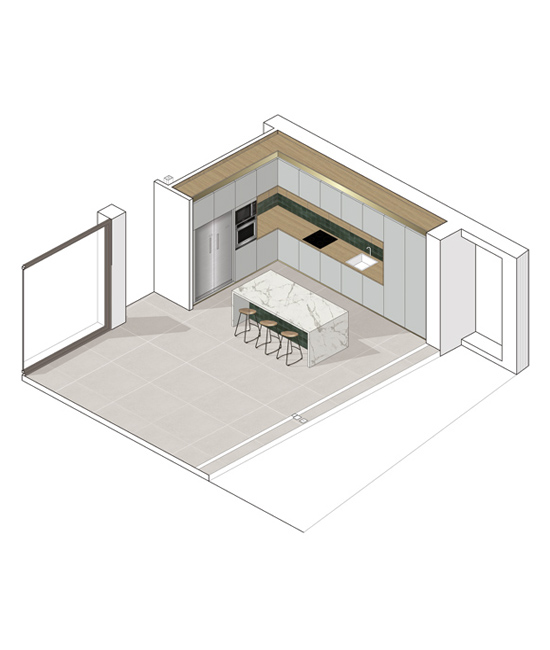
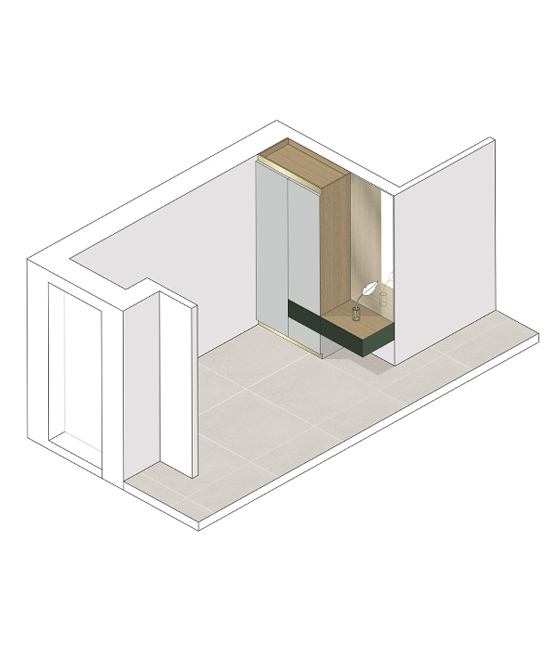
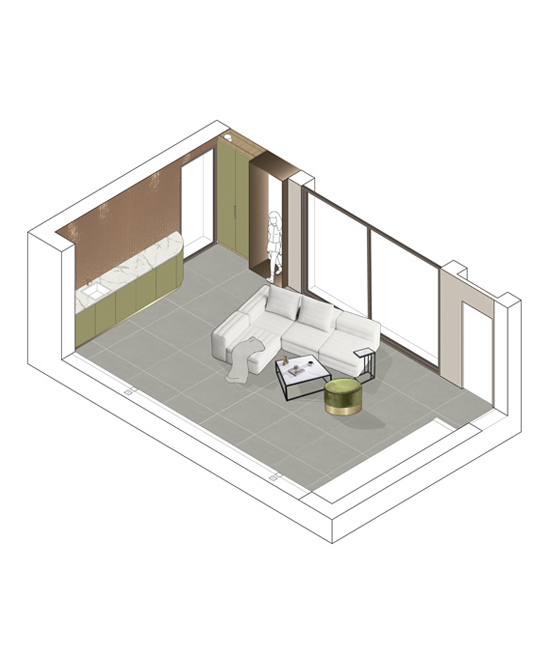
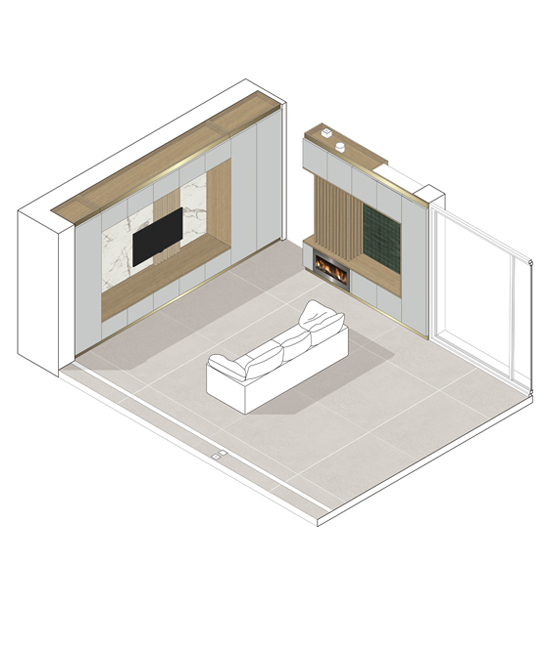
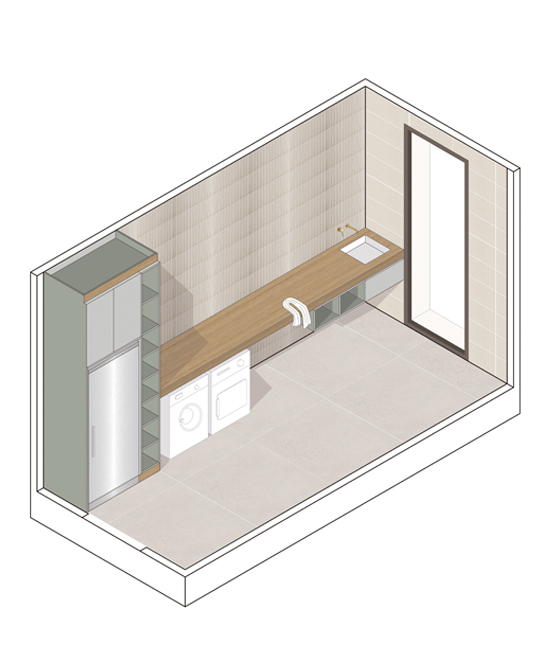
The interiors have been designed to ensure comfort and ease of everyday use. Warm materials and details, combined with more playful and fresh touches, reflect the personality of the couple who owns the house. Ceramic and wood are the main materials, combined in different ways to give each room its own identity, always carefully designed to provide both unique and practical solutions.
In the design process, key aspects for them were never forgotten: functionality, uniqueness, and care for their social life. They often invite friends to share this dream come true—their home. They did not want a house like everyone else’s, which is why they chose to create a personalized designer home that represents them: an open, monumental yet functional and comfortable house. A domestic temple, designed for a family that wants to enjoy life.
They did not want a house like everyone else’s, which is why they chose to create a personalized designer home that represents them: an open, monumental yet functional and comfortable house. A domestic temple, designed for a family that wants to enjoy life.
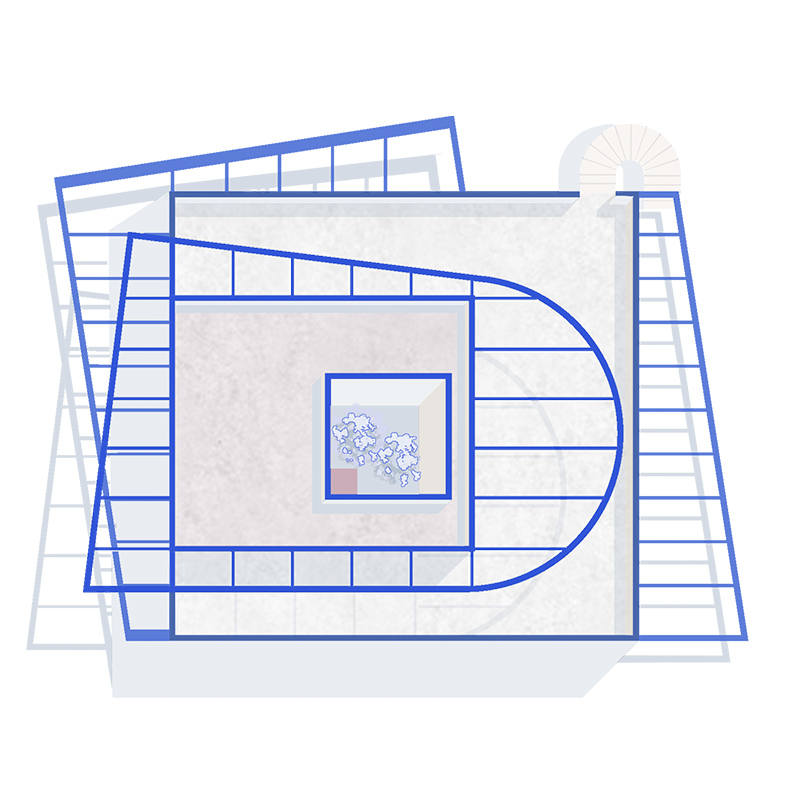
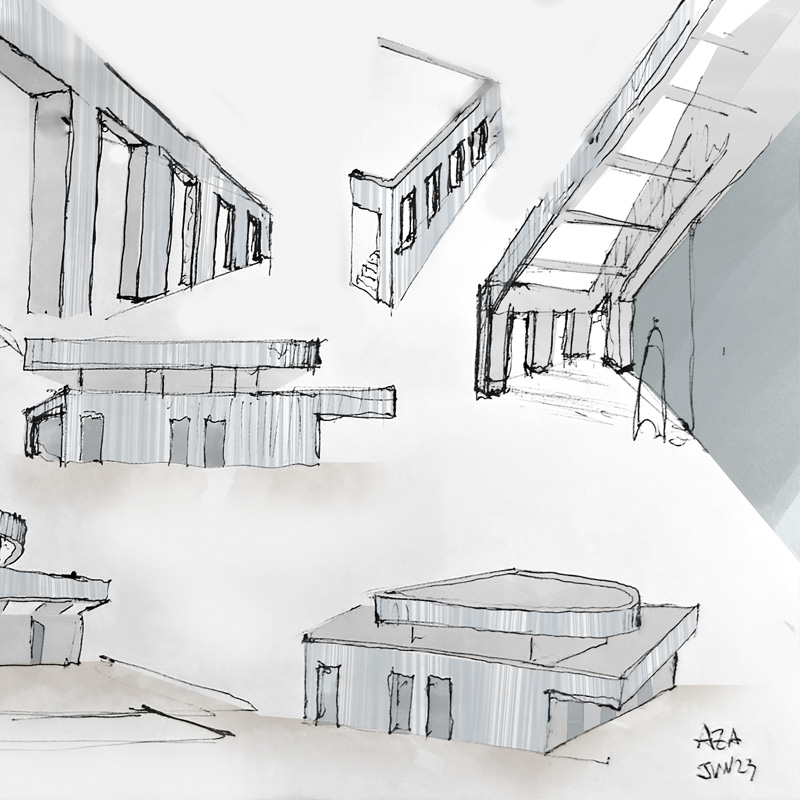
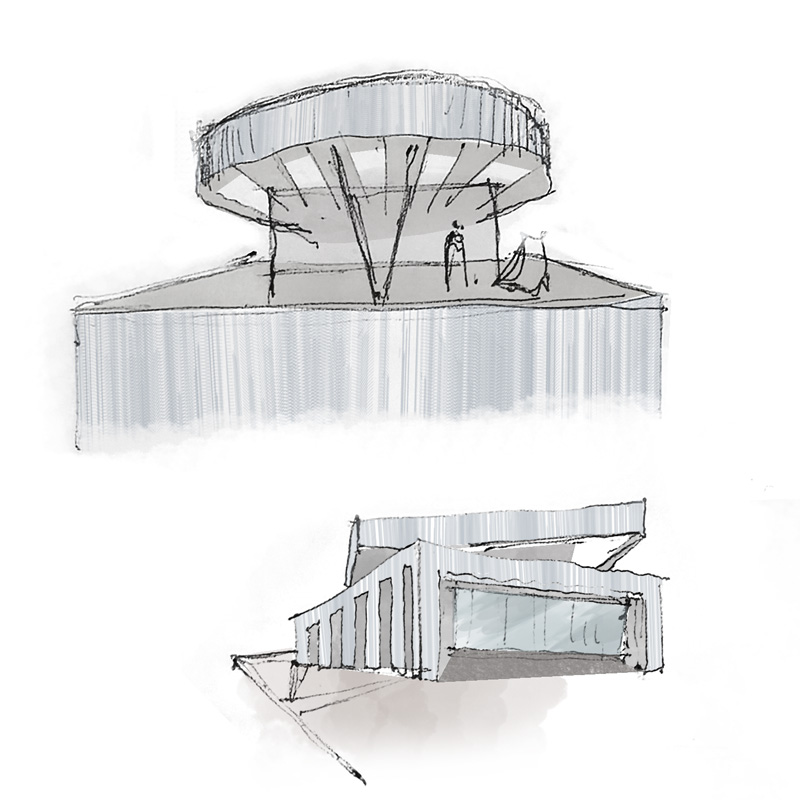
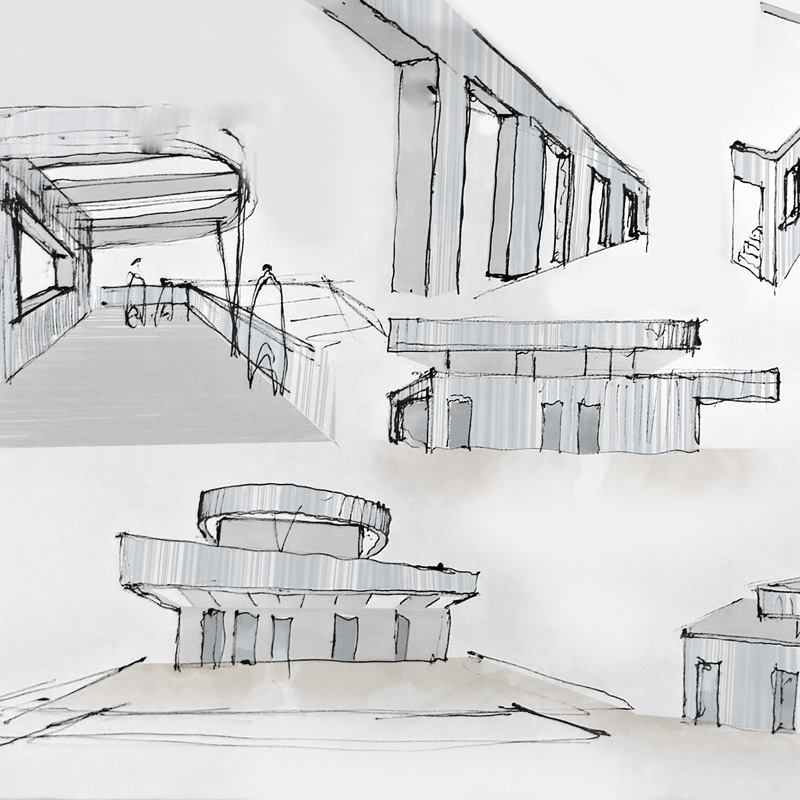
Collage del Proyecto